Choosing a Dirt Bike Helmet: The Criteria That Actually Matter
Contents
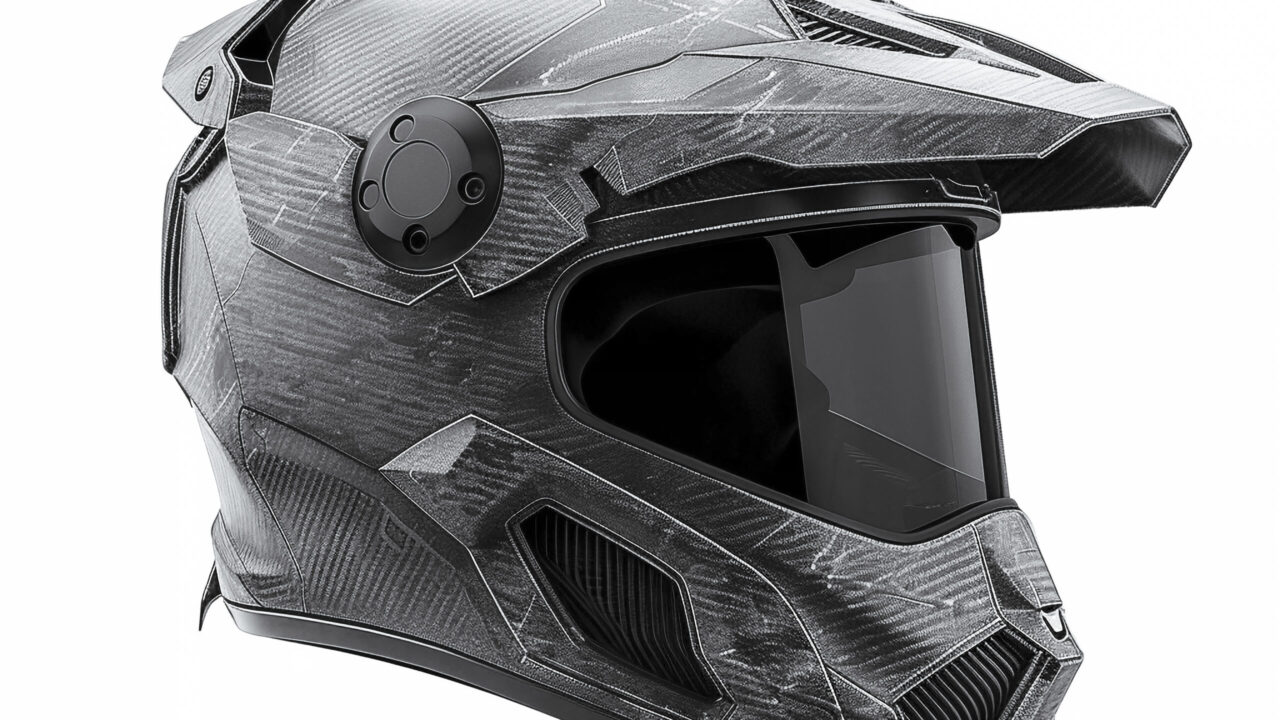
Pick a dirt bike helmet in this order: valid certification, a size and interior shape that match your skull, then your actual riding. The shell spreads the impact across a wide area, the inner foam soaks it up by crushing. Weight, ventilation and graphics come after. A helmet that’s one size too big protects badly, however premium it is.
Certification is the one thing you don’t negotiate
A helmet sold for riding has to meet a recognized safety standard. Behind the sticker are impact and penetration tests run to a fixed protocol, not a marketing claim.
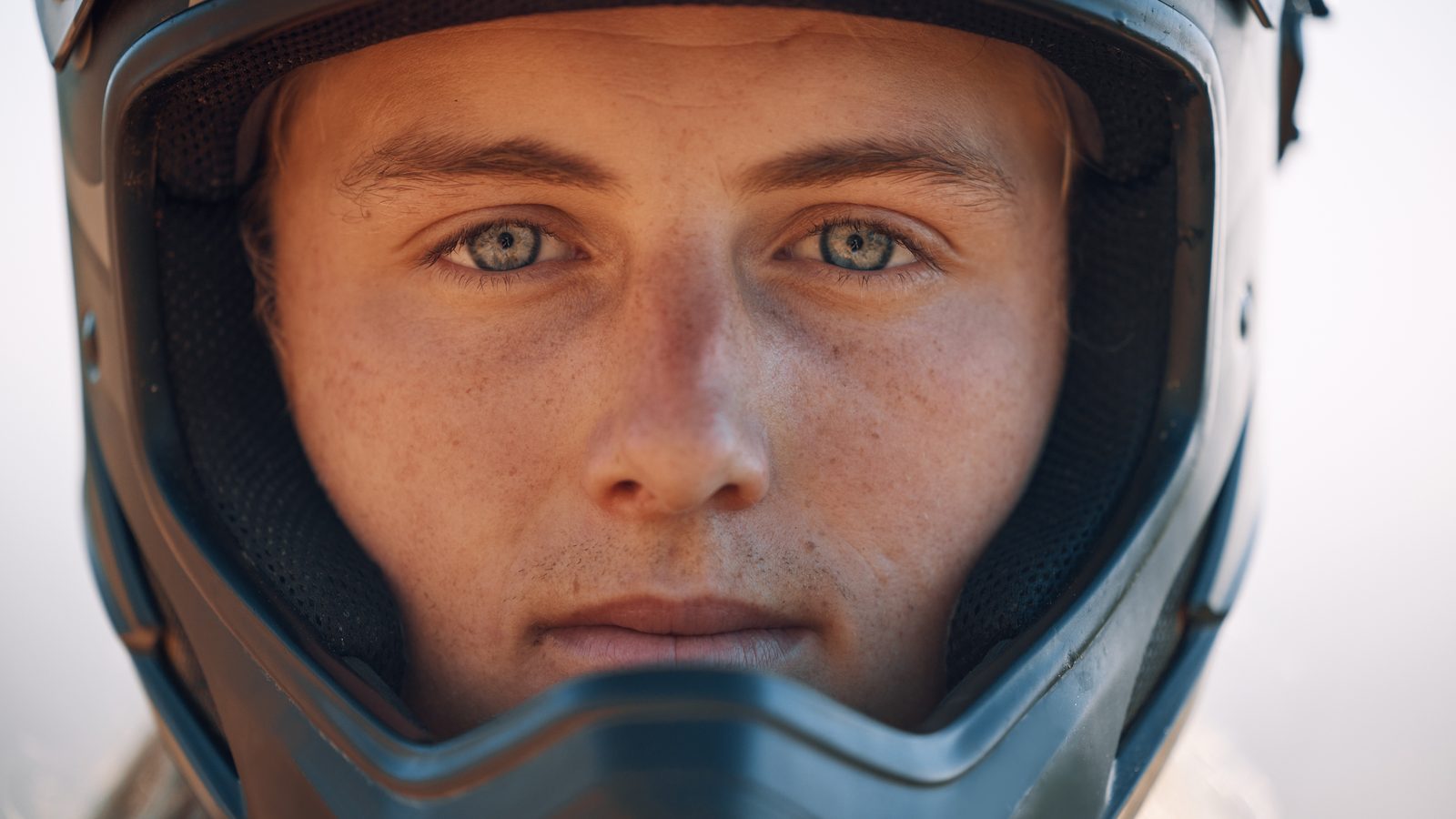
The label is sewn inside, on the chin strap or under the comfort liner. Look at it before your card comes out. It’s the only tangible proof the helmet was ever tested. What each standard actually covers — and what it leaves out — is broken down in the guide to helmet safety standards.
An uncertified helmet can look massive and behave like an empty shell. Apparent thickness tells you nothing about real protection. A costume lid or a converted mountain bike helmet has no business on a motocross track.
Shell and foam: who does what
The outer shell takes the first contact. It spreads force over a wider area and stops a branch or a footpeg from reaching your skull directly. It comes in injected polycarbonate, fiberglass composite or carbon depending on the range.
The real work happens right underneath. The expanded polystyrene liner absorbs energy by compressing, and that compression is permanent. This controlled crushing is what protects your brain, far more than the shell on its own. Foam that has worked once won’t work again.
| Shell | What you gain | What you give up |
|---|---|---|
| Polycarbonate | Entry price, shrugs off the small knocks of handling and transport | The heaviest of the three, neck fatigue on long sessions |
| Fiberglass composite | Sensible weight-to-price balance, the widest choice on the shelf | More prone to deep scratches than polycarbonate |
| Carbon | Lightest option, less load on the neck over a full moto | The price, and a shell nobody repairs: one serious hit and it’s scrap |
Certification level doesn’t change between materials. A certified polycarbonate and a certified carbon pass the same tests. You’re buying less weight and more comfort, not extra baseline safety.
Fit is the part everyone gets wrong
Most riders buy a size too big. It feels great in the shop, and that’s exactly the problem: too loose, the helmet shifts on impact and never transfers energy properly into the foam. Too tight, it builds pressure points on the temples that turn unbearable after twenty minutes.
Interior shape matters as much as the size on the tag. Some brands run oval, others rounder. Two helmets both marked L can feel like completely different objects. That’s the subject of the guide on helmet sizing.
- Measure your head circumference with a tape, just above the eyebrows, and write the number down.
- Pull the helmet on by spreading the chin straps with both hands, without forcing it over your cheeks.
- Check the cheek pads squeeze your cheeks firmly — they should push up slightly.
- Grab the chin bar and try to rotate the helmet: the skin on your forehead should move with it, not slide underneath.
- With the strap done up, roll the helmet forward by pushing from the back: it must not come off.
- Keep it on for ten minutes in the shop before deciding. Pressure points show up late.
Trying it on is the only reliable check. Ordering online from a brand you’ve never worn is a coin flip on interior shape.
Weight, ventilation and goggle fit
A light helmet cuts neck fatigue over a long day, and the neck is already loaded for anyone wearing a neck brace. On a full training session, the difference shows up in the last laps.
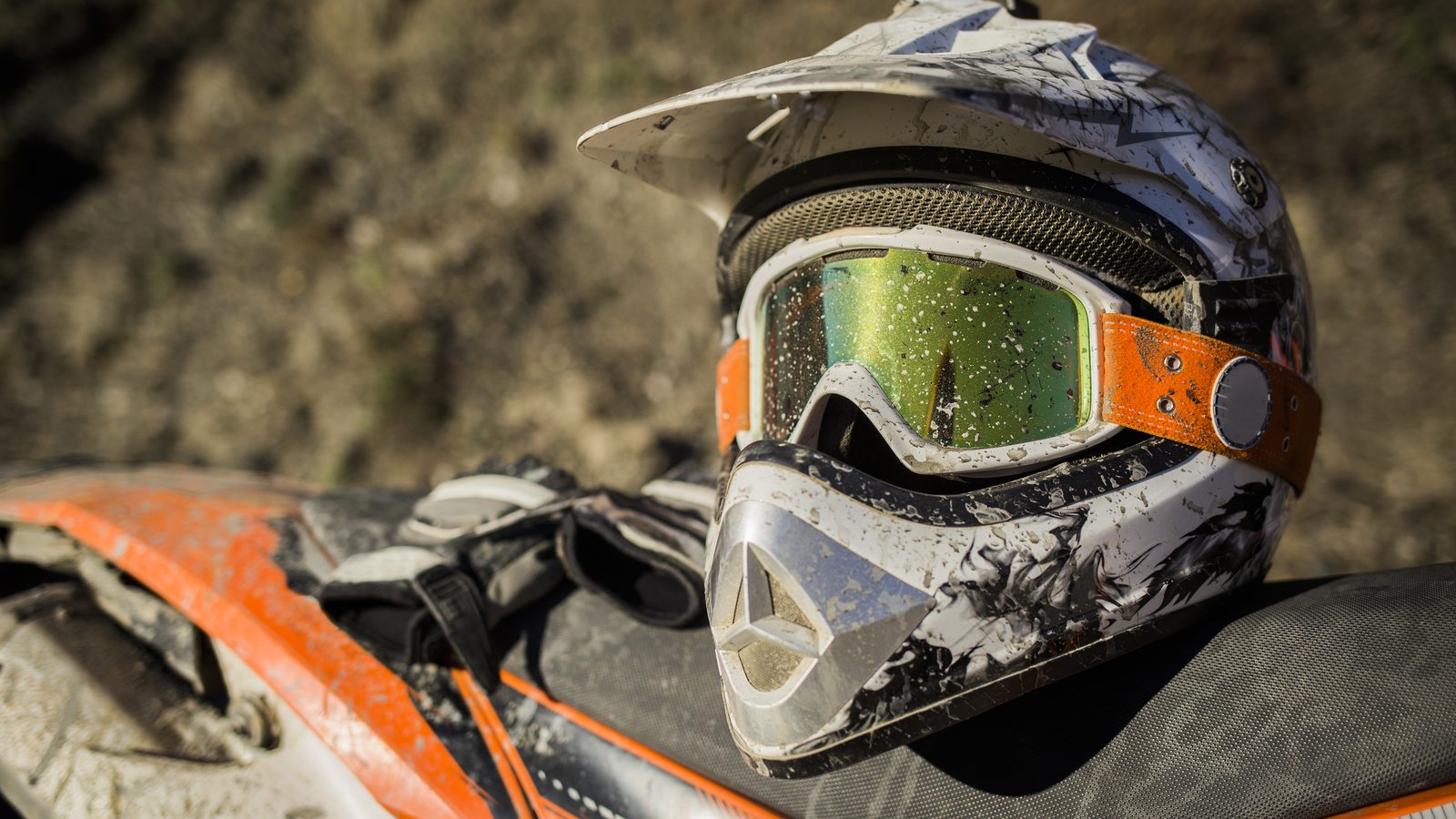
Ventilation isn’t a gimmick. Chin bar intakes and rear extractors dump heat and keep the goggle lens clearer. A helmet that breathes badly turns a summer session into an oven and fogs everything you wear over your eyes.
Check the eye port too: it has to swallow your goggles without folding the goggle foam or pressing on the bridge of your nose. Try both together, as covered in the guide on choosing goggles.
Match the helmet to your riding
Occasional trail riding
A certified polycarbonate does the job for a few rides a month. You carry a bit more weight and keep money for boots and body protection, which is the right trade when funds are tight — the running order is in the guide to gearing up on a budget.
Regular riding or racing
Here weight becomes a real argument. Back-to-back motos make every gram saved on your head pay off in the last third of the race. Carbon earns its keep, and so does serious ventilation.
Kids
A child’s helmet is bought for the head they have now, never “to last two seasons”. Growth forces more frequent replacement, along with the other specifics laid out in the guide on kids’ gear.
Mistakes that cost you
Buying on graphics and checking certification afterwards is the most common one. It goes unnoticed right up until it doesn’t.
Keeping a helmet after a serious crash because “the shell looks fine” means riding with foam that’s already crushed. Wearing a helmet whose cheek pads have packed down over the seasons produces the same result more slowly: the helmet floats, and you never notice the drift. Washing the pads regularly slows that packing down, as the guide on gear maintenance explains.
The sneakiest mistake of all: taking the next size up because the shop didn’t have yours. Walk out with no helmet rather than the wrong one.
FAQ
How long should I keep a dirt bike helmet?
With no crash involved, most manufacturers recommend replacement around every 5 years. The inner foam degrades slowly with heat, sweat and UV, even when the helmet sits in a cupboard. The manufacturing date is moulded inside the shell, under the liner — that’s the date that counts, not the day you bought it.
My helmet fell off the handlebar. Do I replace it?
An empty drop from bar height onto dirt doesn’t crush the foam the way an impact with your head inside does. Inspect the shell and the liner. If you have genuine doubt, or if it landed on concrete or a hard edge, replace it. Doubt is bad company on a track.
Does an expensive helmet protect better?
Not on baseline protection: certification holds the whole range to the same tests. Price buys less weight, better airflow, removable washable pads and a finish that ages better. A well-fitted entry-level helmet protects you more than a premium one in the wrong size.
More gear guidance in the gear section.
Editorial content. PiloteMX offers no on-site service, no parts or gear sales, no quotes and no bike repairs. Working on a bike and riding it carry risk: what you do with this guide is your own responsibility.