Choosing Dirt Bike Gloves: Protection and Feel at the Controls
Contents
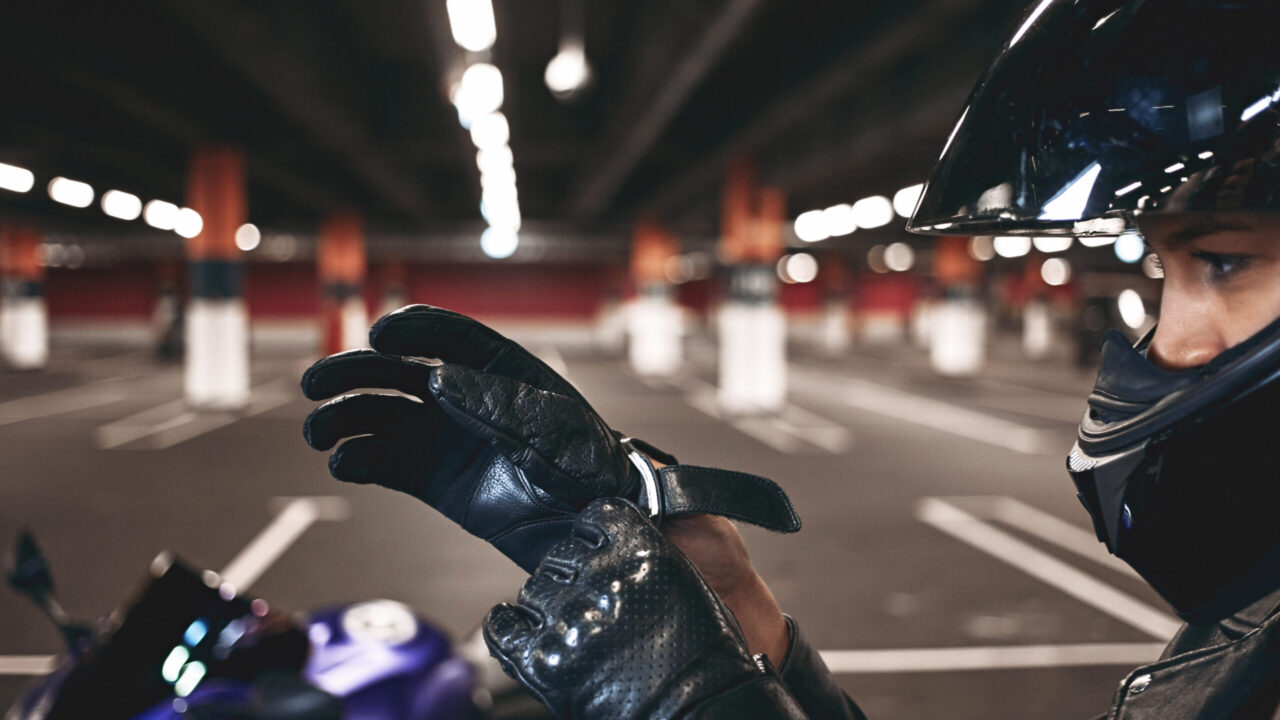
Dirt bike gloves protect your knuckles and palm without taking away the feel at the levers. That is the whole problem: enough material to absorb an impact and resist abrasion, thin enough to meter throttle and clutch by fractions. A street glove is thicker and fails that second test. Size and season handle the rest.
Feel comes before thickness
On the road, your hand mostly sits still. On a dirt bike it works constantly: two fingers on the lever, a wrist roll, a save when the rear steps out. Fine dosing of the clutch and throttle happens across tiny movements, as covered in the guide on throttle and clutch control.
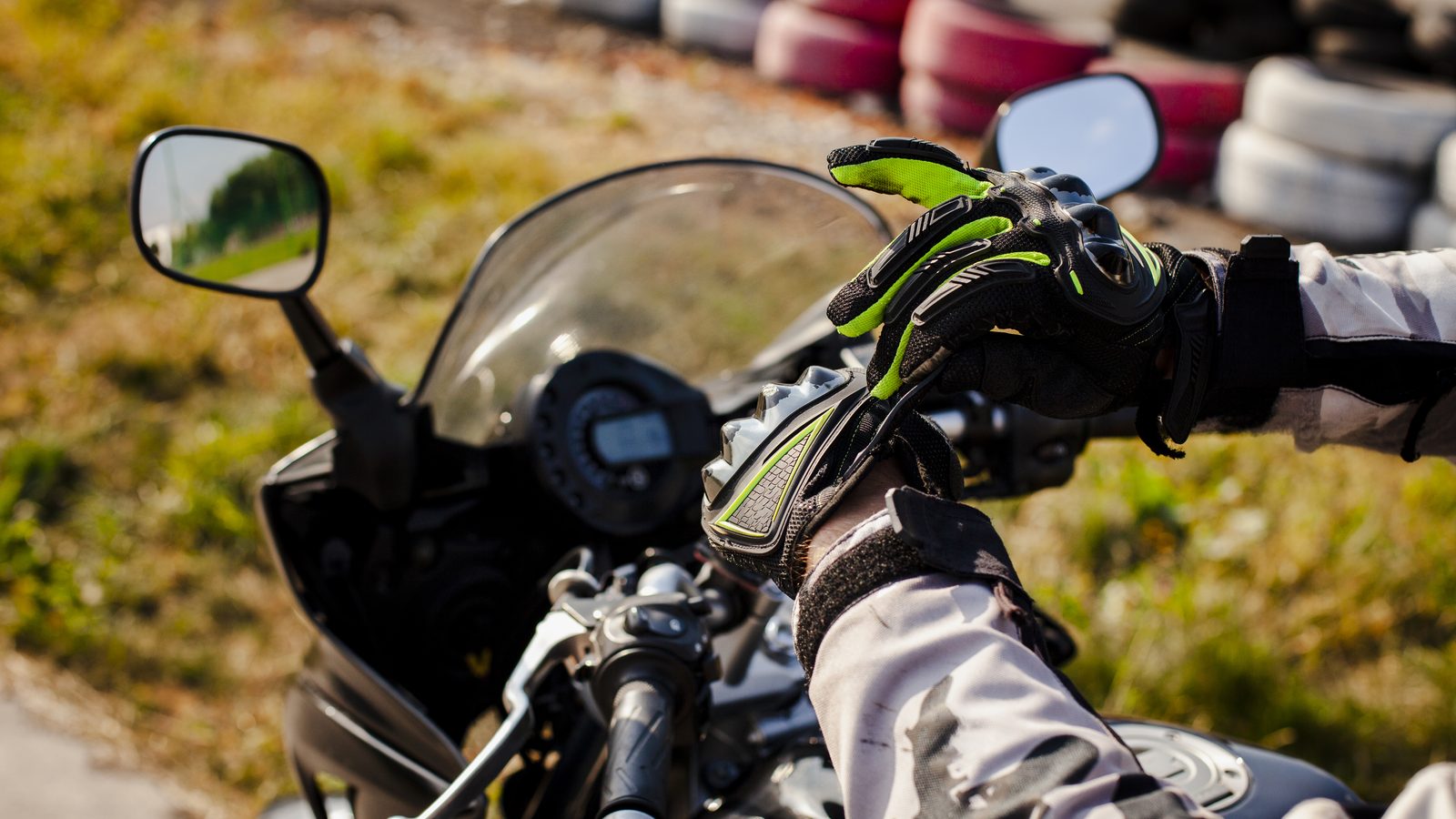
A thick glove eats that resolution. You still feel the lever, but you no longer feel the bite point. In rough terrain that shows up as jerky throttle pickup and a rear wheel breaking loose at the wrong moment.
Hence the shape of a motocross glove: thin, flexible material at the fingers and palm, reinforcement kept to the places that actually take hits. Most riders who buy the more protective glove are really buying a less precise one, and they pay for it in control.
Where the hits actually land
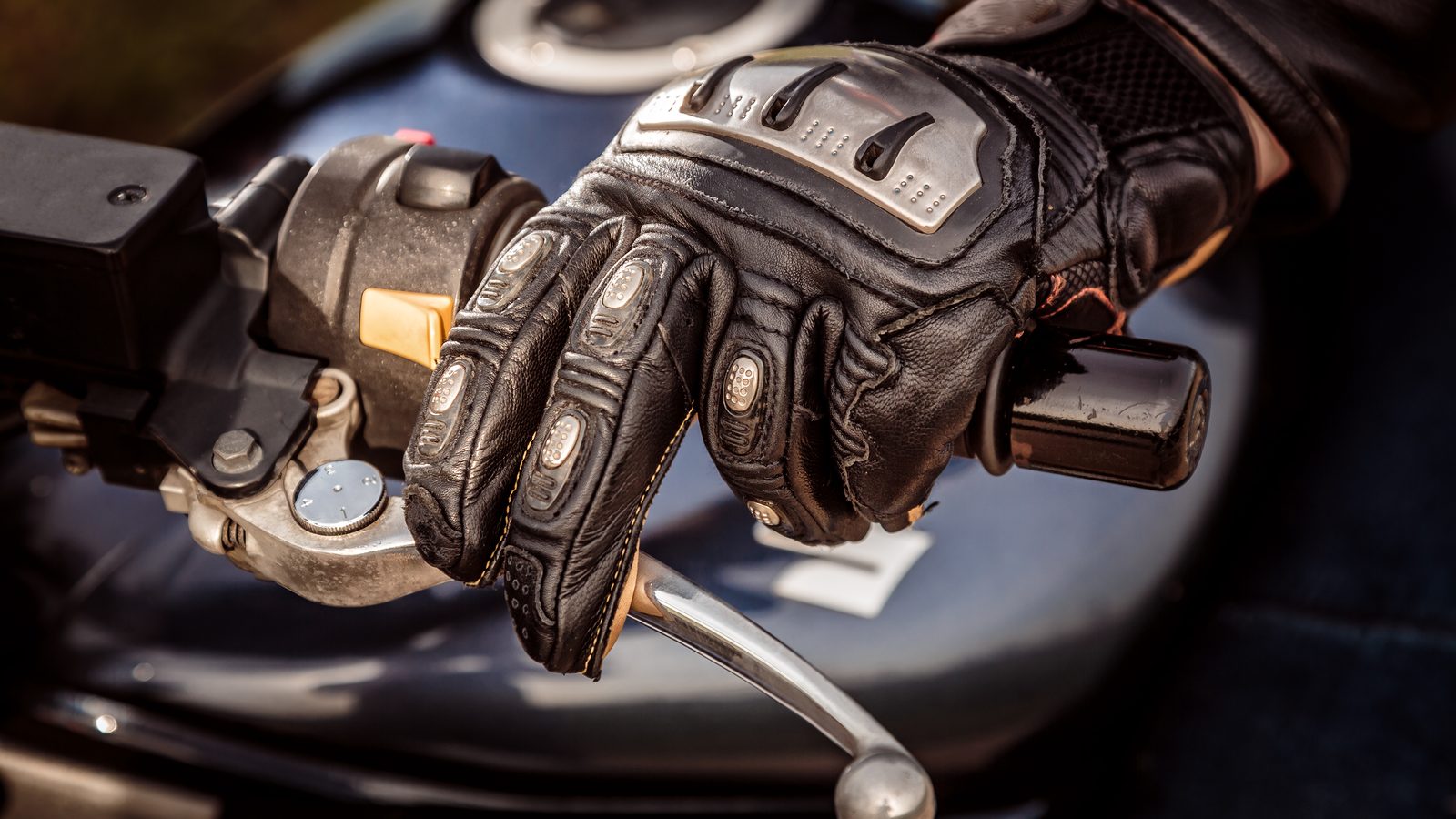
The back of the hand is the exposed side, both in a crash and under roost. That is where knuckle reinforcement earns its place, silicone or light composite, as long as it stays low profile and flexes. A reinforcement that stops you closing your fist is a defect, not safety.
The palm deals with something else: continuous rubbing against the grip, sweat, mud. It decides how long the glove lasts. A doubled or reinforced palm survives longer but adds material exactly where you need to feel. That tradeoff shows up in use, not on the shop rack.
Then there are the seams. A raised internal seam along the edge of the index finger will remind you it exists twenty minutes into a long descent. Turn the glove inside out before you buy.
Size it with your fists closed
Fit a glove in the position you actually use it, not with an open hand on a display. Too loose and it rotates on your hand and folds at the joints. Too tight and it cuts circulation until your fingers go numb late in a session.
Fitting checkpoints
- Position
- fists closed, as on the grips
- Finger length
- fingertip in contact, nail not folding back
- Palm
- no fold running across when you squeeze
- Cuff
- secure, but the closure should not mark your skin
- Quick test
- hold the fists closed a minute: any tingling means go one size up
Be careful with manufacturer sizing. It does not carry across brands, especially between European and American cuts, so your usual size proves nothing about the next label.
Roughly one glove per season
A single do-everything model does everything at half strength. Two pairs cover the year for most riders, three if you ride in any weather.
| Conditions | Glove type | What you give up |
|---|---|---|
| Hot and dry | Thin, vented, perforated palm | Little abrasion protection |
| Mid-season, rain | Water-shedding palm, windproof back | Some finger sensitivity |
| Cold and dry | Lightly lined, closed cuff | Lever feel, noticeably |
Cold deserves a caveat: numb fingers meter worse than a thick glove ever will. Losing a bit of feel to keep hands that respond is the better trade. The full subject sits in the guide on rain and cold-weather gear, and the budget side in gearing up on a budget.
Care, and knowing when to replace
Rinse with clean water after a muddy ride, no harsh detergent. Mud drying inside the fibres stiffens the palm and you lose bite on the grips. Air dry only, never on a radiator or in direct sun: heat hardens leather and lifts silicone reinforcement off its backing.
The end-of-life signal shows on the palm. Material gone shiny, weave starting to show, a first hole at the base of the thumb. At that point your hand slides the moment the grip is wet. Seams opening between the fingers usually arrive around the same time.
A worn glove is not a part to stretch out. It is the contact between you and the bike. The rest of the after-ride routine sits in the guide on gear maintenance.
FAQ
Do I really need different gloves for summer and winter?
Two pairs beat one permanent compromise. In summer the priority is moving sweat out, because a damp hand slides on the grip. In winter the priority is keeping fingers that still answer the levers. No single model does both well, and a summer glove worn at five degrees costs you more control than it gives.
How do I know if my gloves are too tight?
Close your fists and hold it for a minute. Tingling, pale fingertips, a tourniquet feeling at the cuff: too small. Watch the opposite trap too, a slightly loose glove that feels comfortable standing still and rotates on your hand the moment you pull on the bars. A glove that fits does not remind you it is there, in either direction.
Does knuckle armour hurt the feel?
Reinforcement on the back of the hand never touches the contact area with the levers, so it changes nothing about feel. What degrades feel is thick material across the whole hand, a padded palm, or a generous liner. Check the thickness on the palm and finger side, because that is the only surface that matters for metering.
How long should a pair of gloves last?
Mostly a function of terrain and frequency. A regular rider on abrasive ground wears a palm through in a season, an occasional rider keeps the same pair far longer. Do not count in months, look at the palm: as long as it bites on a wet grip and no seam has opened, the glove is still doing its job.
More gear guidance in the gear section.
Editorial content. PiloteMX offers no on-site service, no parts or gear sales, no quotes and no bike repairs. Working on a bike and riding it carry risk: what you do with this guide is your own responsibility.