Gearing Up for Dirt Biking on a Budget: Priorities That Actually Matter
Contents
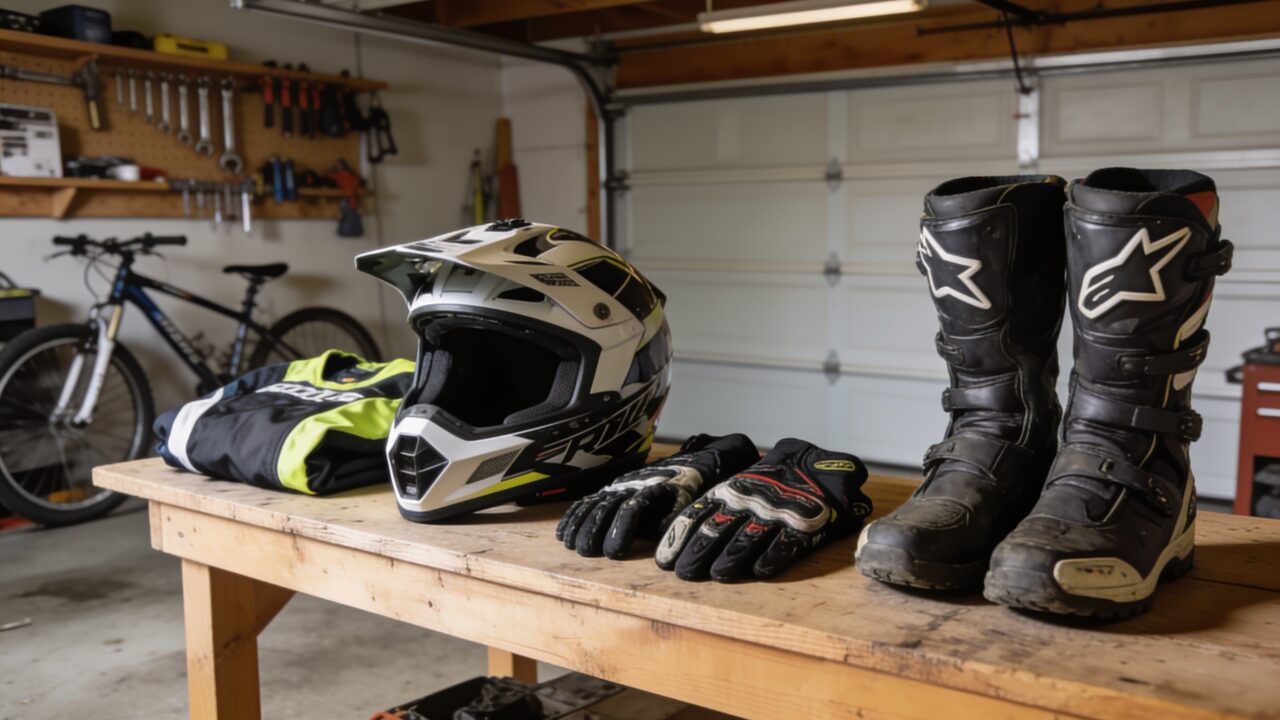
On a tight budget, put the money into the helmet and the boots first — those are the two pieces where protection depends directly on quality and certification. Gloves and goggles come next, and they cost little. Everything else — jersey, pants, roost guard, base layers — takes entry-level or used gear without exposing you to real risk.
Rank your buys by what each piece absorbs
Most beginners split the budget evenly across the whole kit. The result is a mediocre helmet, floppy boots and a branded jersey that protects nothing. Flip the logic. Look at what each piece actually absorbs when things go wrong, and spend where the energy lands.
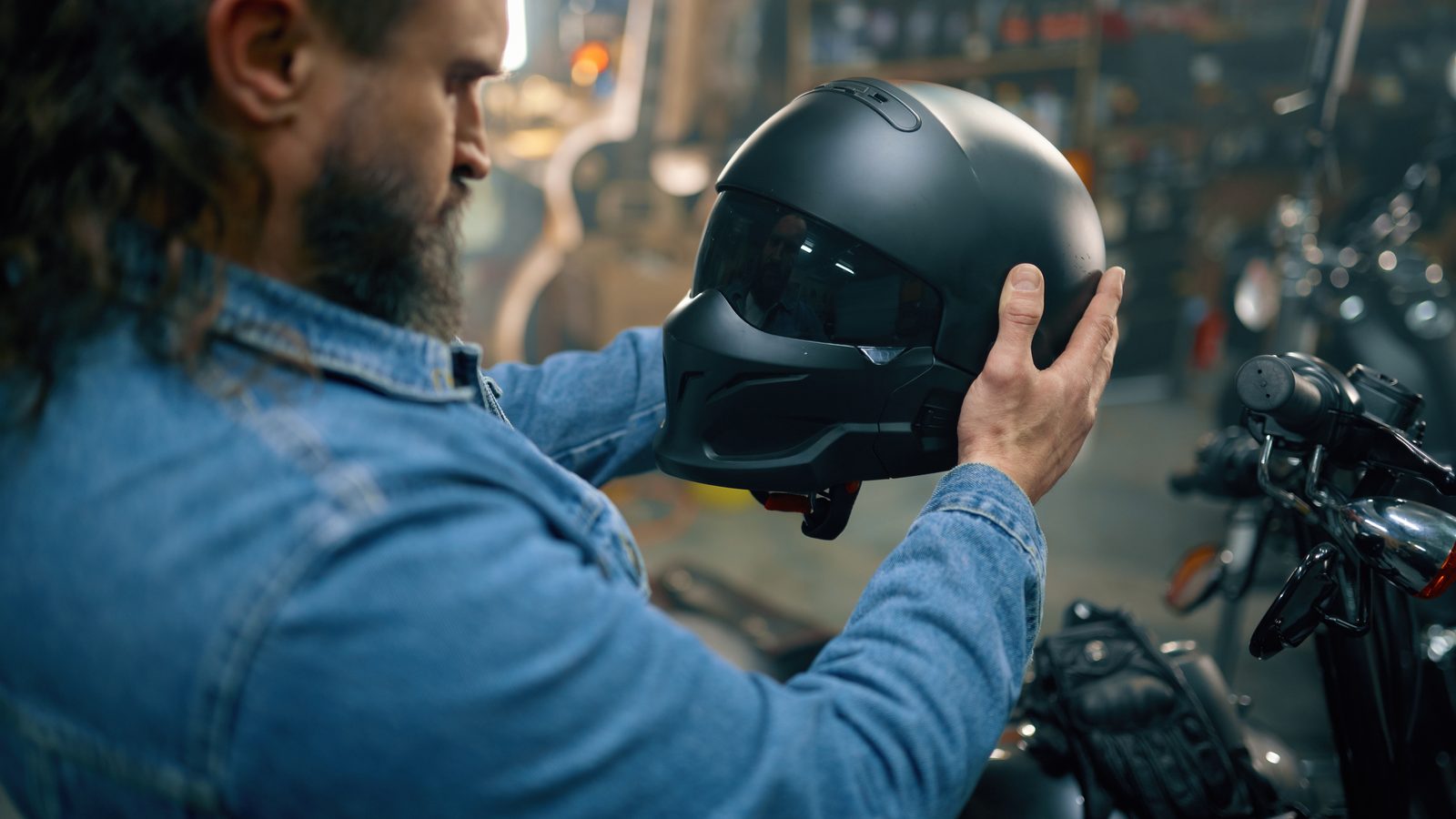
A helmet takes a direct hit to the skull and jaw. A boot handles ankle twist, a shifter to the top of the foot, the whole bike pinning your leg. A jersey handles brush and dirt. Different jobs, and they should not carry the same price tag.
| Piece | What it absorbs | Room to compromise? |
|---|---|---|
| Helmet | Direct impact, skull and jaw | None on certification or fit |
| Boots | Twist, crush, exhaust heat | Basic model yes, hiking boot no |
| Gloves and goggles | Abrasion, roost, dust | Entry level is plenty |
| Jersey and pants | Brush, rubbing, light abrasion | Used, clearance, cheapest tier |
| Hard protection | Thrown rocks, point impacts | Can wait, buy it later |
Helmet and boots: the part of the budget that does not move
The helmet comes before everything else. A certified entry-level lid meets the same baseline standard as a premium one. What the extra money buys is less weight, better ventilation, nicer finishing, sometimes a fancier shell material — not a different floor of safety. What matters is that the certification is readable on the label and that the size is right. A helmet that rotates on your head is not doing its job, however much it cost.
Boots come straight after. The ankle is the most exposed joint in dirt biking and the hardest to improvise for: no hiking boot, no work boot resists that kind of twist. A simple purpose-built moto boot beats any homemade setup.
Gloves and a basic set of goggles close out this first list. They cost little and they head off two classic miseries: shredded palms, and an eyeful of dirt on the way into a corner.
Where you can give ground safely
Jersey and pants mostly handle comfort, sweat management and brush resistance. A mid-range set does the job. And entry-level pants in your actual size beat a race-cut pair two sizes too big grabbed off a clearance rack.
A soft roost guard costs far less than a full hard-shell chest protector. For recreational riding on flowing terrain it already does most of the work against thrown debris. Riding behind someone’s rear wheel on a busy track, the hard protector wins — but it can wait until next month.
Base layers change your comfort, not the outcome of a crash. You can ride without them and just come home soaked.
Knee protection sits in its own category. The foam-and-cap version is cheap and spares you bruises and gashes. An articulated brace protects the ligament, which makes it a second-wave purchase — unless you already have a knee with history.
Buying used, piece by piece
The used market rescues a lot of budgets, as long as you sort properly. Boots, gloves, jersey, pants: go ahead. Check the stitching, the buckles, the state of the sole, whether every closure still works. If it fastens and it hangs right on you, take it.
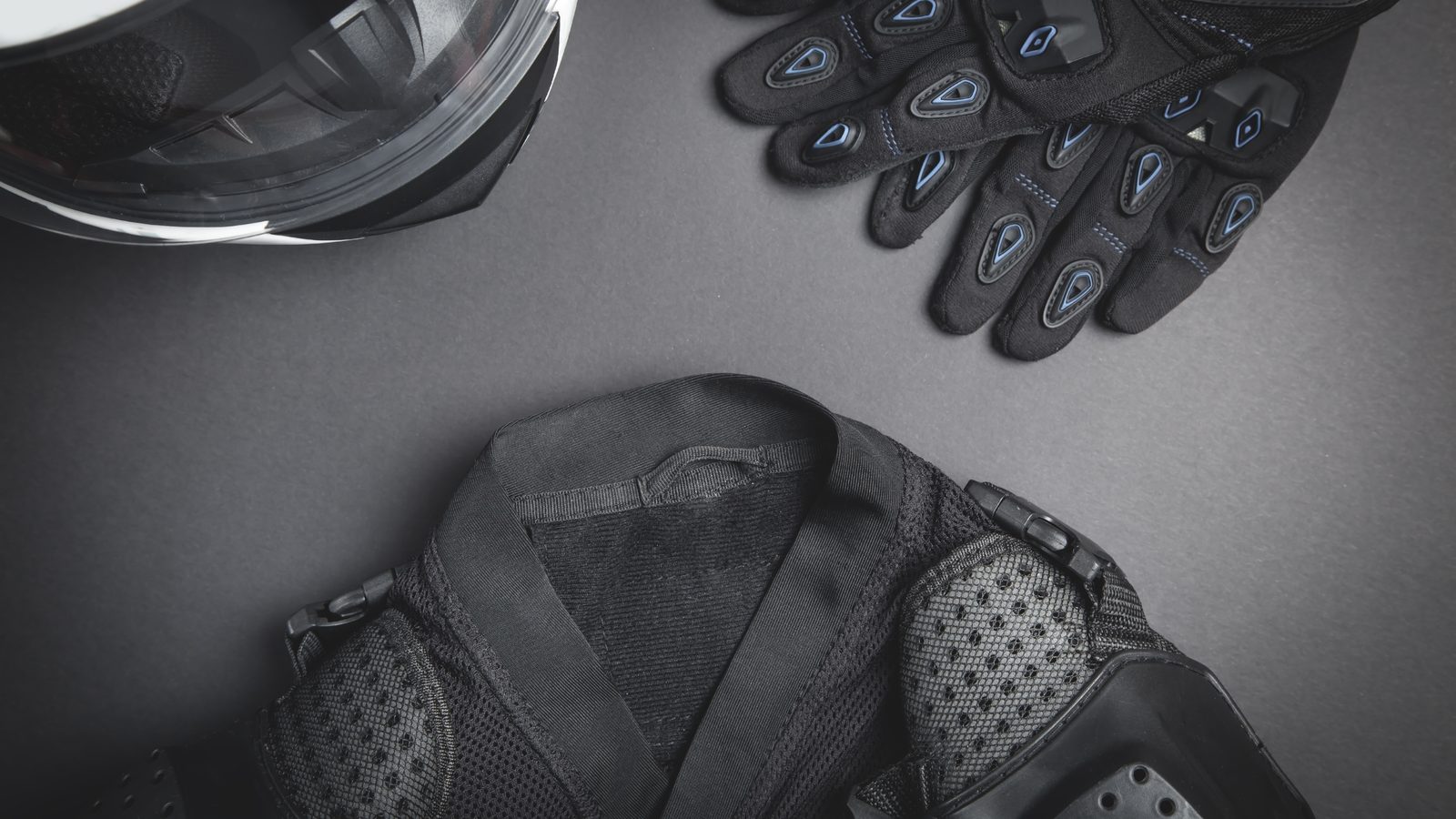
Hard protection needs a closer look. A shell cracked on the inside face, a hinge that has developed play, crushed foam that no longer springs back — none of that shows up in a listing photo. Ask to try it on, flex it, press it, listen to it.
Spreading purchases: the order that works
Buying the whole kit at once on an insufficient budget leaves you with five mediocre pieces. Two good ones and three still on the list rides better.
- Buy the helmet new, certified, in the right size. Try one on in person even if you order later.
- Get the boots, fitted with the socks you will actually wear on the bike.
- Add gloves and goggles. Cheap, and the ride changes immediately.
- Ride a few sessions like that — heavy jeans, an old long-sleeve, easy terrain.
- Fill in the riding kit, then the hard protection, aiming at end-of-season and clearance periods.
That order has a side benefit: by the time you buy the pieces chosen on feel, you finally know what bothers you.
False economies
A helmet with no readable certification, found on a sketchy marketplace, is not a cheap helmet. It is a costume. The sticker price means nothing if the shell folds.
Buying the cheapest option everywhere, with no distinction between line items, gives you a weaker kit overall than a better-distributed budget. Two serious pieces and an ugly jersey beat five matching mediocre ones.
Skipping maintenance costs too, just later. Goggles stored full of sand get scratched, boots put away wet come unglued. The routine in the gear maintenance guide pushes your next purchase back by seasons.
Last trap, especially when kitting out a growing kid: the approximate size bought “to last the year”. A helmet that is too big or boots two sizes up stop protecting, whatever they cost.
FAQ
Can I start dirt biking on entirely used gear?
For boots, gloves, riding kit and goggles, absolutely — those pieces can be judged by eye and by trying them on. The helmet is the exception, because its impact history cannot be verified. So buy the helmet new, even a very plain one, and fill in everything else secondhand. That is the compromise that costs least without cutting into what matters.
Does a cheap helmet really protect?
Yes, provided it is certified and it fits you. The standard sets a floor that every certified model clears. The extra money buys comfort, lighter weight, ventilation and better materials — things that matter across a long day, but that do not stand in for certification. An expensive helmet that fits badly protects less than a plain one that fits snugly.
If I can only buy two pieces, which two?
Helmet and boots, no argument. Those are the two areas where an ordinary tip-over turns into weeks off the bike. For a first session, heavy jeans, an old long-sleeve shirt and sturdy work gloves will get you by while you fill in the rest. What you must never do is ride in sneakers — the ankle has no margin for error.
More on the gear section.
Editorial content. PiloteMX offers no on-site service, no parts or gear sales, no quotes and no bike repairs. Working on a bike and riding it carry risk: what you do with this guide is your own responsibility.