Throttle and Clutch Control on a Dirt Bike: The Hand Coordination That Matters
Contents
Throttle and clutch control is the coordination between a right hand that rolls power in progressively and a left hand that works the friction zone to smooth out the delivery. That coordination matters more than engine power: it decides whether you keep traction on soft ground or drive cleanly off a corner instead of spinning.
Two hands, two jobs
The right hand never works in all-or-nothing bursts. Snapping it open spins the rear at the exact moment you need drive. The right input is a roll of the wrist — slow, continuous, like turning a key in a lock that resists. The tire needs time to put power into the ground. You either give it that time or it takes it from you.
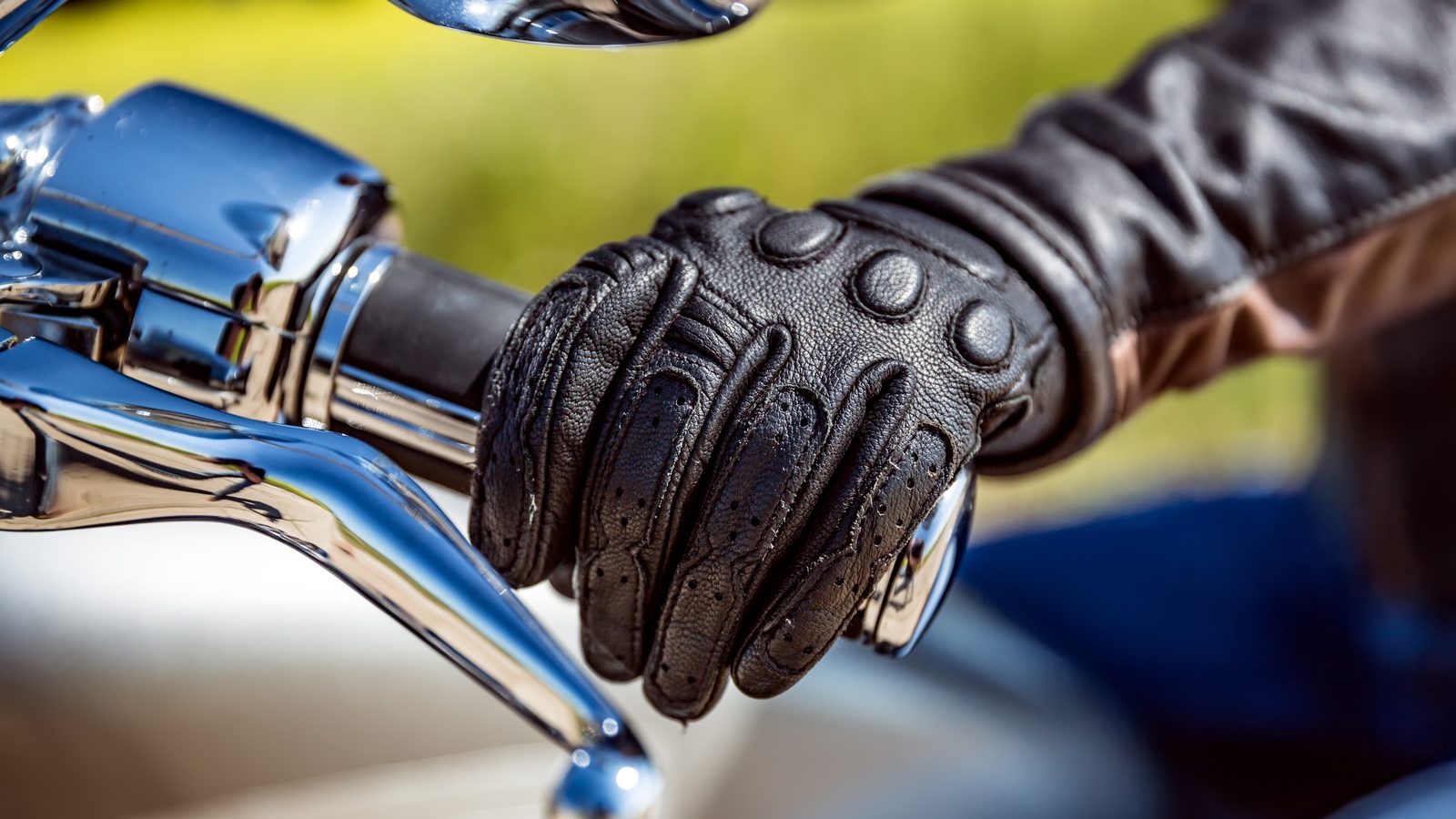
The left hand does far more than change gears. On a dirt bike the clutch is a second throttle, only finer: a few millimetres of lever change the torque reaching the wheel without the engine speed moving at all. That’s what slipping the clutch means. You freeze the throttle and meter with your left fingers.
This throws riders who come from the street, where the clutch gets you moving and is then forgotten. Here it works constantly: exiting a rut, stepping over a ledge, crawling through a slow section where the engine is about to bog. A left hand parked on the bar is one tool out of two going unused.
Slipping the clutch, in practice
The friction zone is the range where the clutch passes some power without being fully engaged. You find it by easing the lever out until you feel the bike want to move, then staying there. It’s a position you learn in your fingers, not a setting you memorize.
Quick reference
- Fingers on the lever
- one or two, never the whole hand
- Lever position
- set to fall under your fingers standing, not sitting
- When to slip
- slow speed, rut exits, obstacles
- When not to
- downhill: keep the engine braking
- Sign you’re overdoing it
- burnt smell, revs climbing while the bike doesn’t
A clutch wears when you slip it. That’s normal, that’s the price of control. But if the smell comes back every session, you’re using your left hand to replace something you should be fixing with speed or gear choice.
Corner exits, where it all shows
- Finish braking before the lean. Throttle work starts on a settled bike, not one still diving.
- Pull the lever just far enough to break into the friction zone, without going to a full disengage.
- Crack the throttle open a touch and hold it there. Build revs before you need the power.
- Ease the lever out slowly, feeling the bike squat on the rear. The tire should compress, not spin.
- Once the clutch is fully home, keep rolling the throttle on — still rolling, never snapping.
- If the rear steps out, don’t chop it. Back off a little throttle and pick up a little lever.
This pairs with braking, which follows the same progressive logic from the other end of the corner. And it decides everything off the gate, where places are won in the first few metres — covered in the starts article.
Mistakes that kill traction
Choppy throttle leads the list. You open, you get nervous, you shut it, you open again. Every chop loads the front and unloads the rear, so the tire spends its time hunting for grip instead of using it. On soft ground that steadiness beats everything else, as the cornering position article shows.
Dumping the clutch on the exit usually comes from wanting to go faster. The result is the opposite: the rear breaks loose, you lose the line, and the clutch takes the hit. You’ll gain more by easing it out than by trying to rip the drive out of the corner.
Pulling the clutch in downhill by reflex is sneakier. Engine braking is what holds the bike at a steady speed without touching the brakes; without it you coast, and you end up braking on ground that won’t take it. The hill climbs and descents article picks this up.
Last, the death grip. The tighter you squeeze the grip, the less you can meter. It’s mechanical: a tense wrist can’t make movements of a few degrees. Hands hold, legs clamp. If your forearms pump up after two laps, that’s where the problem is, not in your fitness.
Three drills that sharpen it
The slowest possible straight line
Flat ground, standing start. Roll the throttle on as slowly as you can while easing the clutch out at the same rate, with no jerk anywhere. The point isn’t speed, it’s making the acceleration flat. If you hear the revs climbing in steps, you’re not there yet.
The walking-pace square
Four markers on the ground, a tight square. Ride around it at walking pace, throttle steady, metering only with the clutch. It’s a thankless drill with no audience, and probably the one that pays best: it’s exactly the input you need in rut cornering and technical sections.
The same corner, on repeat
One corner, ten passes. You work the drive and nothing else: throttle opening and lever release, coordinated, with no rear spin. Turn the intensity up only once the input is clean at moderate pace. A rider who exits cleanly at medium speed beats a rider who rips and then catches it.
FAQ
How do I stop the rear wheel spinning on soft ground?
Roll the throttle on progressively, never in a burst. On soft ground, traction gets built through steadiness: the tire digs itself a shelf and uses it. A sharp input destroys that shelf before the power is any use to you. A taller gear helps too, because it smooths out how the torque arrives.
Do you have to pull the clutch fully in to shift?
No, a brief pull is enough — long enough to unload the gearbox, no more. Holding it in too long costs you engine braking and leaves the bike coasting, which hurts most downhill and on rough ground. Plenty of experienced riders shift some gears without touching the lever at all.
What is clutch slipping on a dirt bike?
Holding the clutch partly engaged to meter the power reaching the rear wheel without touching the throttle. It’s useful at low speed, in tight turns, over a ledge or a root where throttle alone would be too coarse. The lever becomes a torque dial rather than an on-off switch.
Why does my rear end break loose on corner exits?
Almost always a lever released too fast with the throttle already open. The torque lands in one block on a tire that hasn’t found its shelf yet. Deliberately slow the release on your next ten corner exits and you’ll feel the bike start pushing instead of sliding. Check your seating position too — sitting too far back makes it let go sooner.
Find all the riding fundamentals on the riding technique page.
Editorial content. PiloteMX offers no on-site service, no parts or gear sales, no quotes and no bike repairs. Working on a bike and riding it carry risk: what you do with this guide is your own responsibility.