Dirt Bike Gear for Rain and Cold: Riding Without Suffering the Weather
Contents
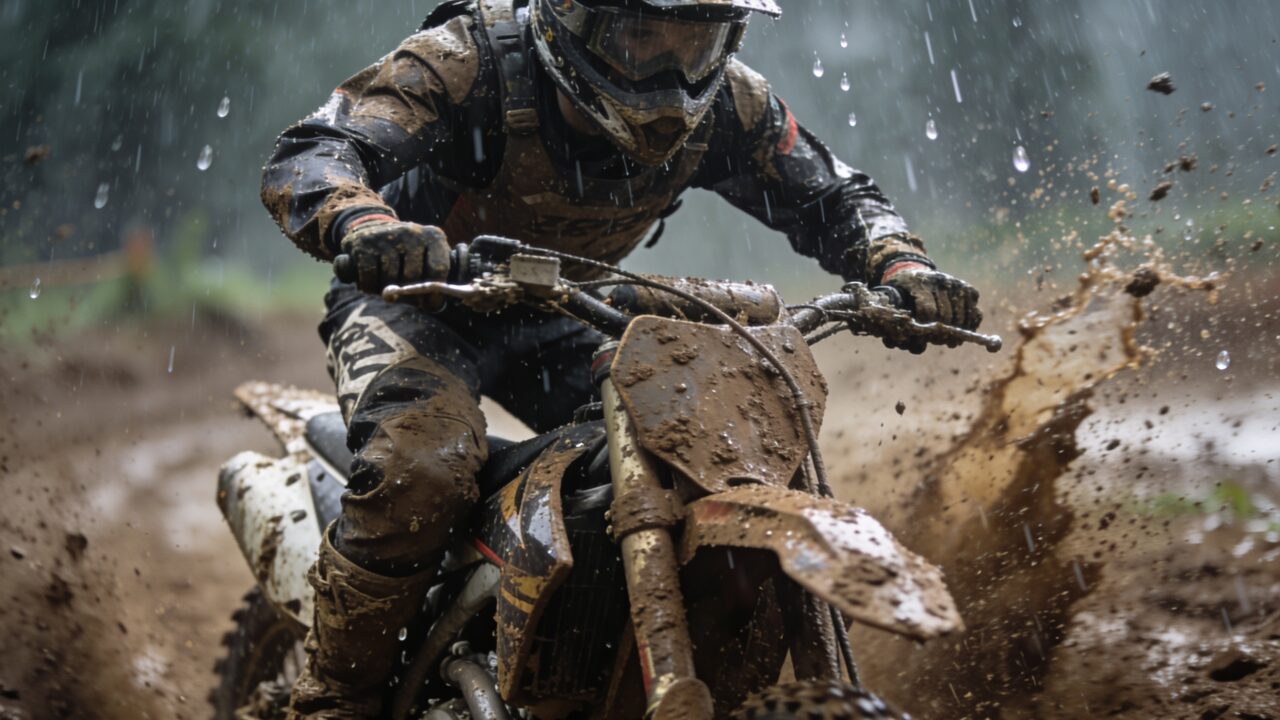
For rain or cold, stack several thin layers instead of one thick piece: a technical base layer that moves sweat off your skin, a mid layer that traps warm air, and a waterproof outer shell that still breathes. You keep the range of motion riding demands, and you can strip a layer mid-session when the temperature climbs.
Why three thin layers beat one thick one
A padded jacket keeps you warm while you stand next to the bike. The moment you climb on, it fights you. The position changes covered in the riding stance guide need to happen without thinking, and fabric that pulls at the shoulders keeps you sitting down longer than you should.
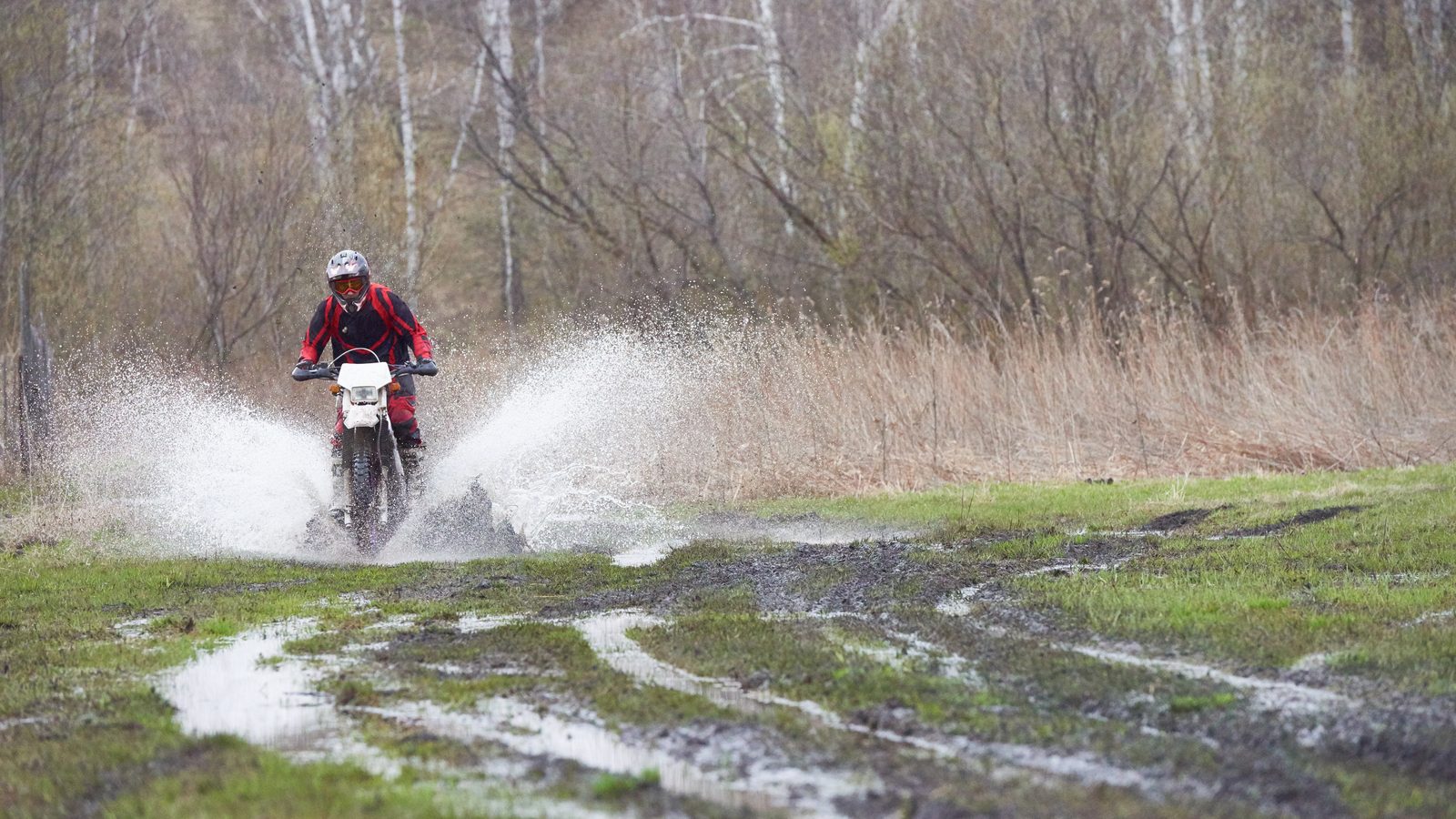
Three thin layers insulate just as well, because what warms you is the air trapped between them, not the fabric itself. Each layer keeps its own flex, so the stack follows your body instead of fighting it.
More importantly, you can take that stack apart during the day. Walking the track in the cold has nothing in common with twenty minutes of motos, where your body heat climbs fast. Most riders leave the truck overdressed and end up soaked in their own sweat, which chills them far more than the outside air ever would.
| Layer | What it does | Common mistake |
|---|---|---|
| Base layer | Pulls sweat away from the skin | A cotton tee, which holds the water |
| Mid layer | Traps warm air | Picking one so thick it locks the shoulders |
| Outer shell | Stops rain and wind | Waterproof but with no breathability |
The base layer: staying dry against the skin
The cold you feel on a bike rarely comes from the air. It comes from sweat sitting against your skin, evaporating the second you slow down and stripping your heat with it. A cold-weather base layer does two jobs at once: it pushes moisture outward and it holds a thin cushion of insulation.
This layer should fit snug, almost like a second skin, with no folds or spare fabric. Loose clothing creates cold air pockets and gets in the way of everything you pull on top, starting with hard protection. Check the seams too. Under a chest protector or a knee brace, a thick seam rubs the same spot for an hour straight.
Cotton is the one real no. It soaks up moisture, gives none of it back, and once wet it actively cools you for the rest of the session.
The outer shell: waterproof but breathing
A jacket that seals like a plastic bag will soak you from the inside within ten minutes of real effort. The wet feeling is nearly the same as riding in the rain, just warmer. Look for a fabric that lets vapor escape, plus vents you can open on the move when you heat up.
You do not need a second wardrobe. Your usual jersey and pants stay on, and a waterproof over-jacket or over-pant goes on top for wet days. That is easier to manage than a full second kit, and it packs into a corner of the truck.
Water always finds the junctions, not the fabric. Wrists, ankles, lower back: make sure the sleeve covers the glove rather than the other way round, and that the pant sits outside the boot shaft. A snug collar also stops the trickle that runs down your spine every time you brake.
Hands: where cold costs you the most
A slightly thicker, lightly insulated glove does dull your feel at the controls. The dirt bike gloves guide walks through that tradeoff. In real cold it is still worth taking, because numb fingers meter nothing at all.
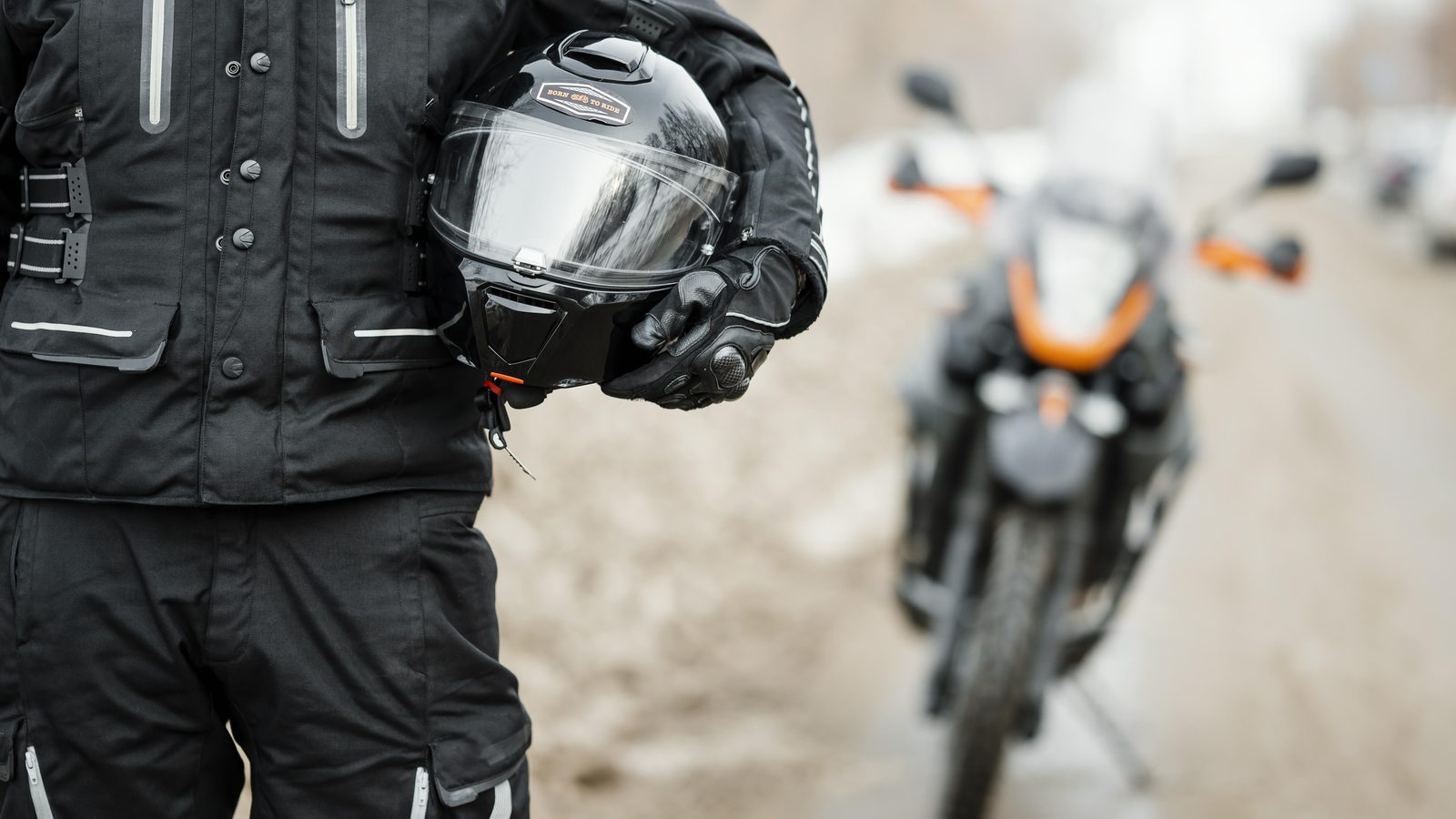
Bar-mounted handguards often do more than a thicker glove. They break the windblast, which is the actual source of the chill, and let you keep a thin glove on the levers. Plenty of off-road riders run that setup all winter.
One paddock habit worth copying: keep a dry spare pair in the truck. Pulling soaked gloves back on between motos cancels out everything else you did right.
Seeing clearly in the wet
Cold plus humidity is the worst mix for fogging: warm breath meets a freezing lens. The goggle anti-fog guide covers the fixes in detail, but the base comes down to two things. A dual-pane lens, and a goggle whose vents you have not blocked with a balaclava or a pulled-up collar.
Carry a clean, dry cloth somewhere you can reach without getting off the bike. A cloth that is already damp just spreads the water around, and a muddy glove wiped across the inner face of a dual-pane lens kills the anti-fog coating for good.
Getting ready before you leave
- Check the weather at the track, not at your house. Ten miles can change everything.
- Pull on the base layer, snug, before any protection goes on.
- Add the mid layer, then swing your arms wide to confirm nothing pulls.
- Fit your protection, then your riding kit, then the waterproof shell last.
- Close the junctions: sleeves over gloves, pants over boots, collar snug.
- Load a spare pair of gloves, a dry base layer, and a clean cloth into the truck.
When you get home, do not leave the whole pile in the back of the van. Rinse it, separate it, and dry it in open air well away from a radiator. The gear maintenance guide explains why a cooked membrane never breathes again.
FAQ
Do I need dedicated gear just to ride in the rain?
Not a whole second kit. A waterproof, breathable over-jacket and over-pant worn on top of your usual gear covers the large majority of wet sessions. Add a cold-rated base layer underneath and you have the essentials. Everything past that is comfort you can build up over time, as budget allows.
How do I keep my hands warm without losing feel?
Start with handguards on the bars rather than a thicker glove. They kill the windblast, which is what actually chills your fingers, and let you keep a thin glove at the controls. If that is not enough, move to a lightly insulated glove and accept slightly less feedback. Then keep a dry pair ready for the next moto.
Does rain really raise the risk of crashing?
Yes, though less from the rain than from what it does to the dirt. Available traction collapses on roots, rocks and packed sections, while it can actually improve in sand. Your riding has to adapt first: brake earlier, roll the throttle on more gently, open your lines. Gear only keeps you clear-headed long enough to ride properly.
Should I change tires when it rains?
Tires get chosen for the terrain, and rain changes the terrain. Hard-pack turns slick, clay closes up and packs the knobs solid. Check the condition of what you already run before anything else, because a rounded-off knob will be dreadful from the first shower. Fresh, well-shaped knobs matter more here than any specific compound.
More gear guidance in the gear section.
Editorial content. PiloteMX offers no on-site service, no parts or gear sales, no quotes and no bike repairs. Working on a bike and riding it carry risk: what you do with this guide is your own responsibility.