Gear
Choosing, fitting, and maintaining dirt bike protective gear: helmets (selection, sizing, safety standards), boots, gloves, goggles and anti-fog, chest protectors and roost guards, knee guards, elbow guards, neck braces, riding jersey and pants, base layers, kids’ gear, rain and cold-weather layering, gear maintenance, and building a kit on a tight budget. Focus on educational buying guidance, not product reviews.
Les guides du silo
-
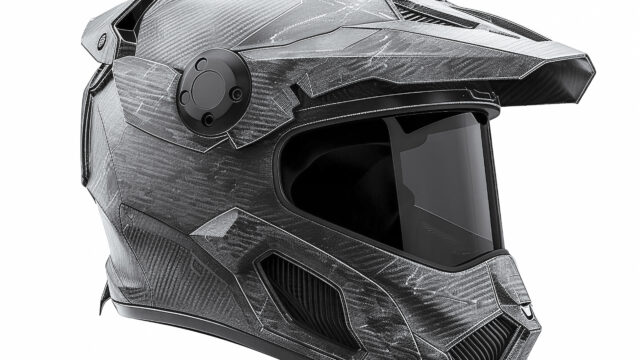
Choosing a Dirt Bike Helmet: The Criteria That Actually Matter
A dirt bike helmet has to be certified, correctly fitted to your exact head size, and matched to how you actually ride — the shell and inner foam each doing a specific job in absorbing impact, well before design or brand enter the decision.
-
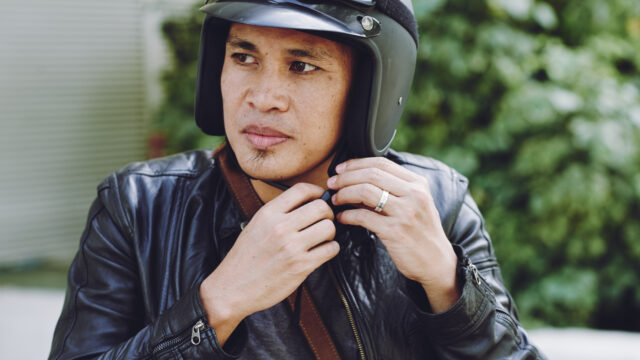
Getting Dirt Bike Helmet Sizing Right
Helmet size is set by measuring head circumference at its widest point, just above the eyebrows and ears — a number to cross-check against each manufacturer's own sizing chart rather than a generic size, since shell shape varies brand to brand.
-
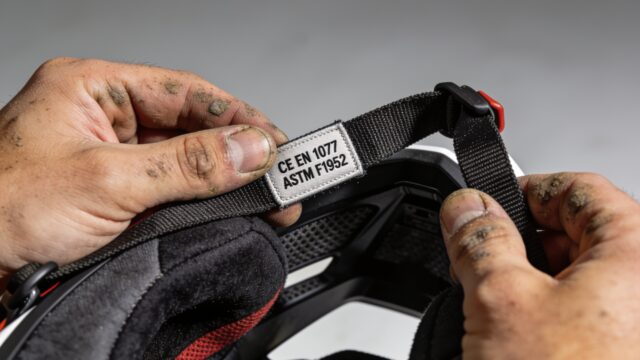
Helmet Safety Standards: What They Actually Guarantee
ECE 22.06 is now the reference certification for dirt bike helmets sold in Europe, gradually replacing the older ECE 22.05, with more thorough test protocols covering more impact zones and crash conditions.
-
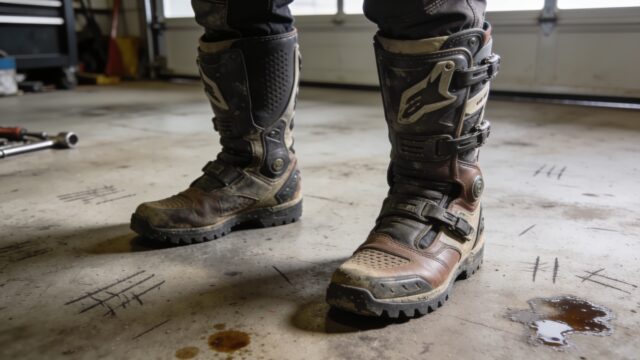
Choosing Dirt Bike Boots: Protection Starts at the Feet
Dirt bike boots need rigid ankle support, reinforced shin protection, and a sole matched to the footpegs — three criteria that outweigh looks in gear chosen primarily for safety in a crash or impact.
-
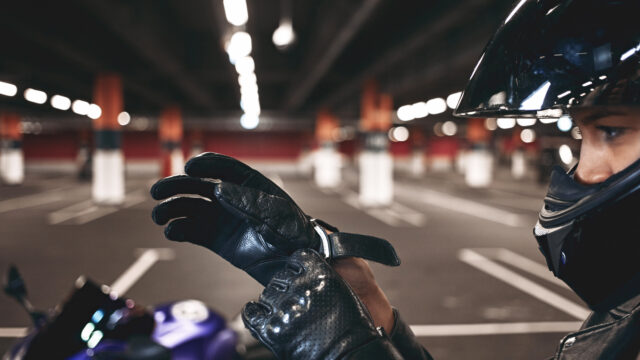
Choosing Dirt Bike Gloves: Protection and Feel at the Controls
Dirt bike gloves need to protect knuckles and palm from impact and abrasion while keeping enough feel at the controls — a balance that clearly separates this glove type from a street-riding model built more for pure protection.
-
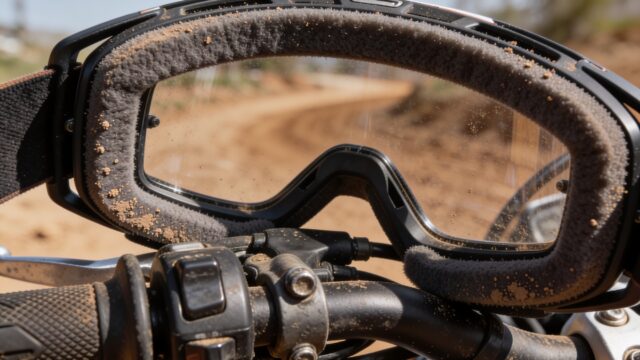
Choosing Dirt Bike Goggles: Seeing Well to Ride Well
Dirt bike goggles need a wide field of view, a good seal against dust and mud, and ventilation that limits fogging — three criteria that matter more than lens tint or looks, since your ability to read the terrain depends directly on them.
-
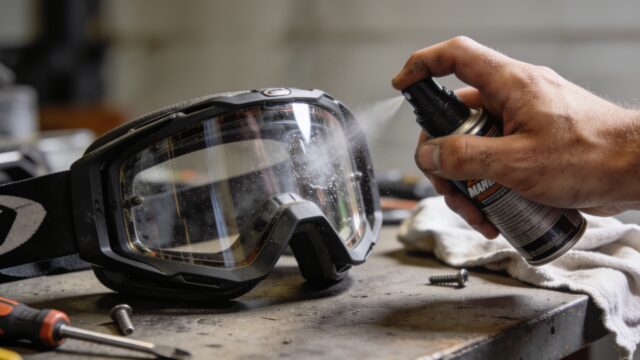
Beating Fog on Your Dirt Bike Goggles: What Actually Works
Fog on a dirt bike goggle lens forms when sweat and breath moisture condenses against a colder surface — a phenomenon a dual-pane lens and good ventilation control far better than an anti-fog treatment alone on a single lens.
-
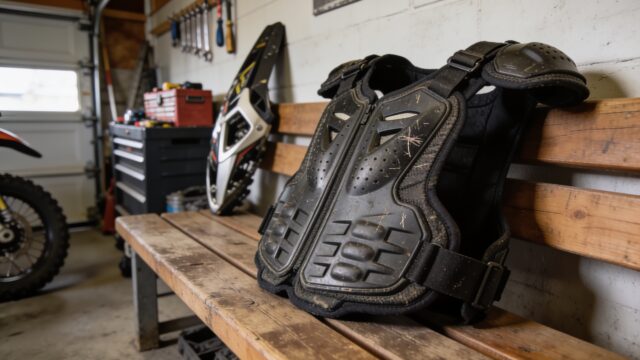
Chest Protectors and Roost Guards: Protecting Your Torso Without Restricting Movement
A roost guard mainly protects against thrown dirt and rocks, while a chest protector adds rigid protection against direct impacts to the chest and back — two distinct protection levels to choose between based on your use and exposure.
-
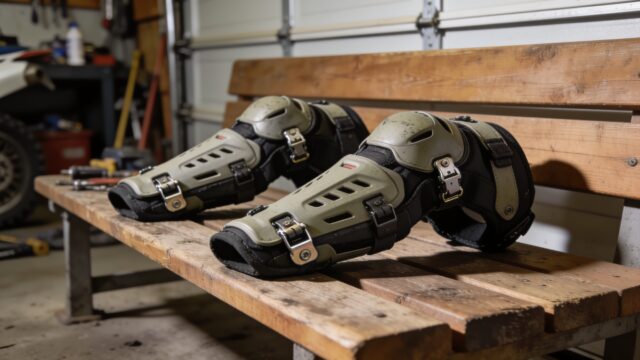
Dirt Bike Knee Guards: Simple Protection vs Articulated Braces
A dirt bike knee guard ranges from a simple impact shell to an articulated brace that stabilizes the ACL — a choice that depends on your knee history and real risk level far more than looks.
-
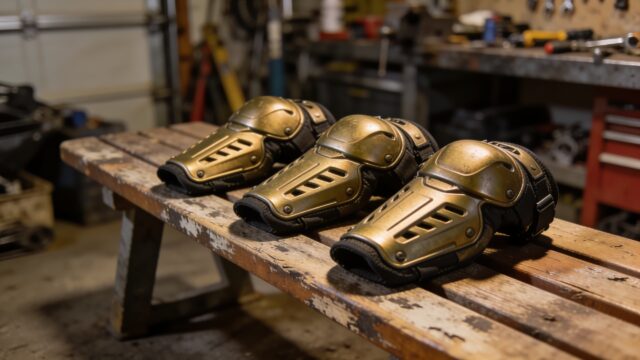
Dirt Bike Elbow Guards: Protection Too Often Overlooked
An elbow guard protects against direct impact in a crash — a joint talked about far less than the knee or head but frequently exposed when a rider goes down sideways or reflexively puts an arm out.
-
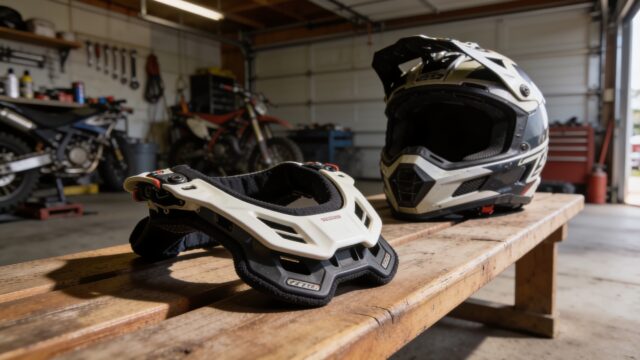
The Neck Brace: Protecting Your Neck Without Sacrificing Mobility
A neck brace limits extreme head and neck movement in a violent crash — especially forward flexion and axial compression — without blocking the normal movement you need for everyday riding.
-
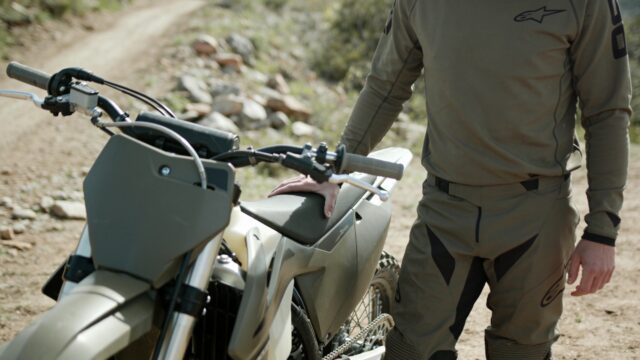
Dirt Bike Jersey and Pants: Technical Gear That Moves With You
A dirt bike jersey and pants need full freedom of movement, effective sweat management, and abrasion resistance — three technical criteria that outweigh looks in gear built to follow every riding movement, never restrict it.
-
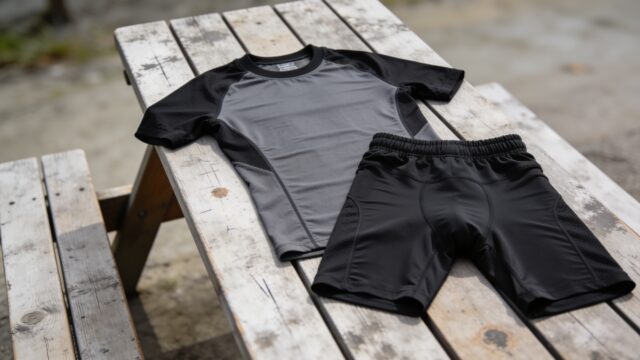
Base Layers for Dirt Bike Riding: The Invisible Layer That Changes Everything
A technical base layer moves sweat away from the skin and reduces rubbing under the rest of your kit — an often overlooked layer that directly affects comfort over a full session, especially during intense, extended effort.
-

Gearing Up a Kid for Dirt Biking: What Really Changes vs an Adult
Kids' dirt bike gear needs choosing to their exact current size, never ahead of growth, with fit rechecked every few months — far more frequent than for an adult, whose build stays stable over time.
-
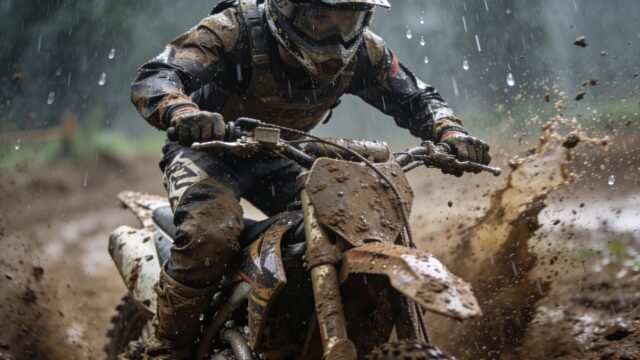
Dirt Bike Gear for Rain and Cold: Riding Without Suffering the Weather
Riding in rain or cold calls for a layered approach, from insulating base layers to a waterproof outer shell, rather than one thick piece that sacrifices the freedom of movement riding needs.
-
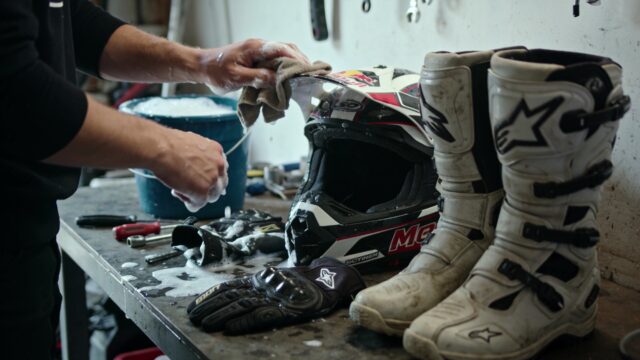
Maintaining Your Dirt Bike Gear: The Routine That Extends Protection
Well-maintained dirt bike gear holds its protective properties longer than neglected gear — maintenance built on regular cleaning after every ride, proper drying, and periodic checks on the rigid pieces that absorb impact.
-
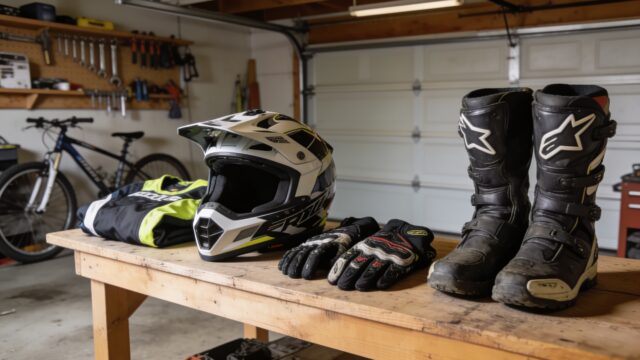
Gearing Up for Dirt Biking on a Budget: Priorities That Actually Matter
On a tight budget, prioritize the helmet and boots first — two pieces where protection depends directly on quality and certification — before looking to save on gear where a compromise is less risky.