Ignition System: Understanding the Spark That Starts It All
Contents
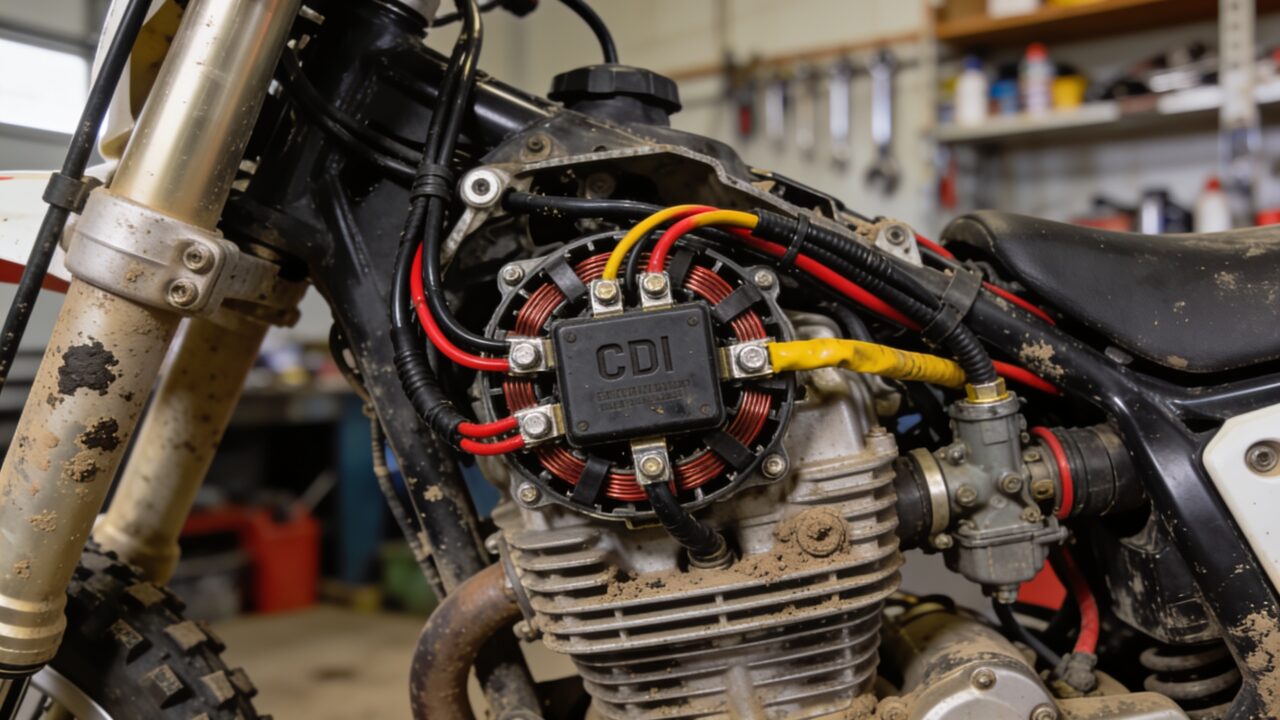
The ignition system fires a high-voltage spark at the plug exactly as the piston finishes its compression stroke. The stator makes the current, the CDI box or ECU picks the moment, and the high-tension coil raises the voltage until the arc jumps the electrode gap. No spark at the right instant means no combustion: the bike either refuses to start or coughs the moment you crack the throttle.
What actually makes the spark
It starts at the flywheel magneto. A magnet spins with the crankshaft, passes the fixed windings of the stator, and induces current. That is why so many dirt bikes kick over with no battery at all — the engine generates its own electricity and keeps generating it as long as it turns.
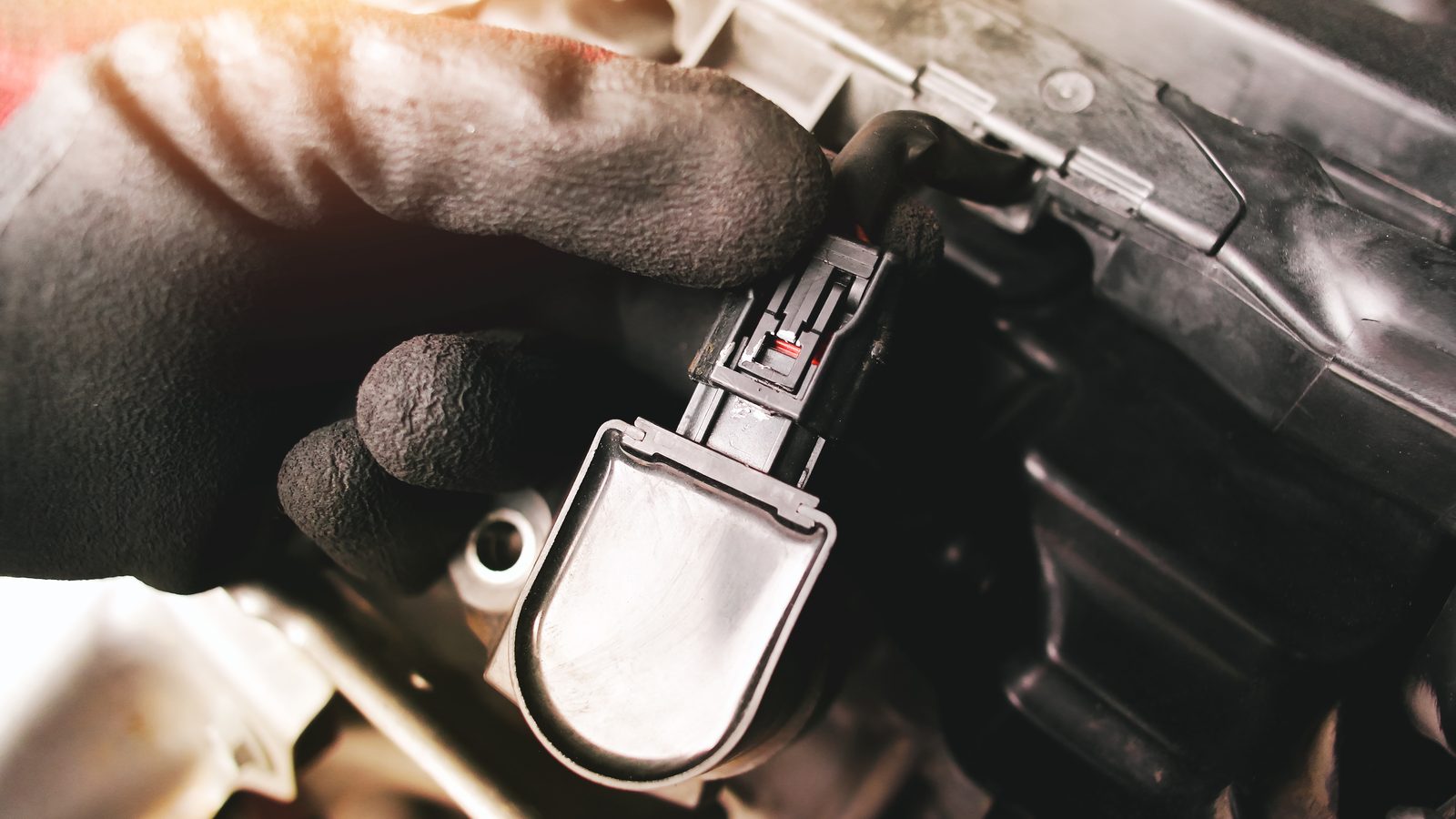
That current runs to the CDI box, or to the ECU on fuel-injected models. The box waits for the position sensor to report where the crank is, then dumps the charge. The high-tension coil finishes the job, turning a modest voltage into one that can jump the gap between the electrodes on the spark plug. Five parts, one job, and each one fails in its own way.
| Part | What it does | What you notice when it fades |
|---|---|---|
| Stator | Generates current from the flywheel magnet | Weak or missing spark, often worse once hot |
| Position sensor | Tells the box where the crankshaft is | Misfires at certain rpm, brief cutouts that clear |
| CDI or ECU | Decides when the spark fires | Nothing at all, all at once, with no warning |
| High-tension coil | Steps voltage up until the arc forms | Yellow lazy spark, long grinding starts |
| Plug and cap | Turn the arc into burning mixture | Misfires, visible deposits, a cap that crackles |
Timing is the whole story
The spark does not fire with the piston dead level at the top. It fires slightly before, because the flame needs time to cross the chamber. The goal is for peak pressure to land just after top dead center, when the piston is heading down and can absorb the shove.
Too much advance and combustion pushes against a piston that is still climbing. You hear a metallic rattle as the revs build, the engine runs hot, and the piston crown takes the punishment. That noise gets confused with carbon buildup: different cause, comparable damage if you leave it alone.
Too much retard and part of the energy leaves through the exhaust instead of pushing. The bike feels flat, it also runs hot, but nothing rattles to warn you. On a modern dirt bike there is nothing here for you to set — the advance curve lives inside the box and is recalculated every revolution. Older mechanical ignitions needed a timing tool and drifted as they wore.
Recognizing an ignition fault
It will not start at all
Kick after kick, nothing, not even a single pop. Pull the plug: if it is wet with fuel, the fuel side is doing its job and the problem sits on the spark side. A bone-dry plug after plenty of cranking points instead at fuel delivery or at low compression.
It runs, but it misfires
Intermittent misfires are the miserable ones, especially when they only show at one rpm or after twenty minutes on the track. A sensor heating up, a corroded connector, a wire chafing on the frame — the cut lasts a fraction of a second and everything comes back. With the engine idling, wiggle the harness gently and listen. If the revs stumble when you move a terminal, you have your culprit. The full sequence is laid out in diagnosing an electrical fault.
Checking for spark
This test takes minutes on a cold engine and it splits the problem into two families. Do it before you buy a single part.
- Switch the ignition off and set the bike on a stable stand with the rear wheel free.
- Pull the plug cap off by the cap itself, never by the lead.
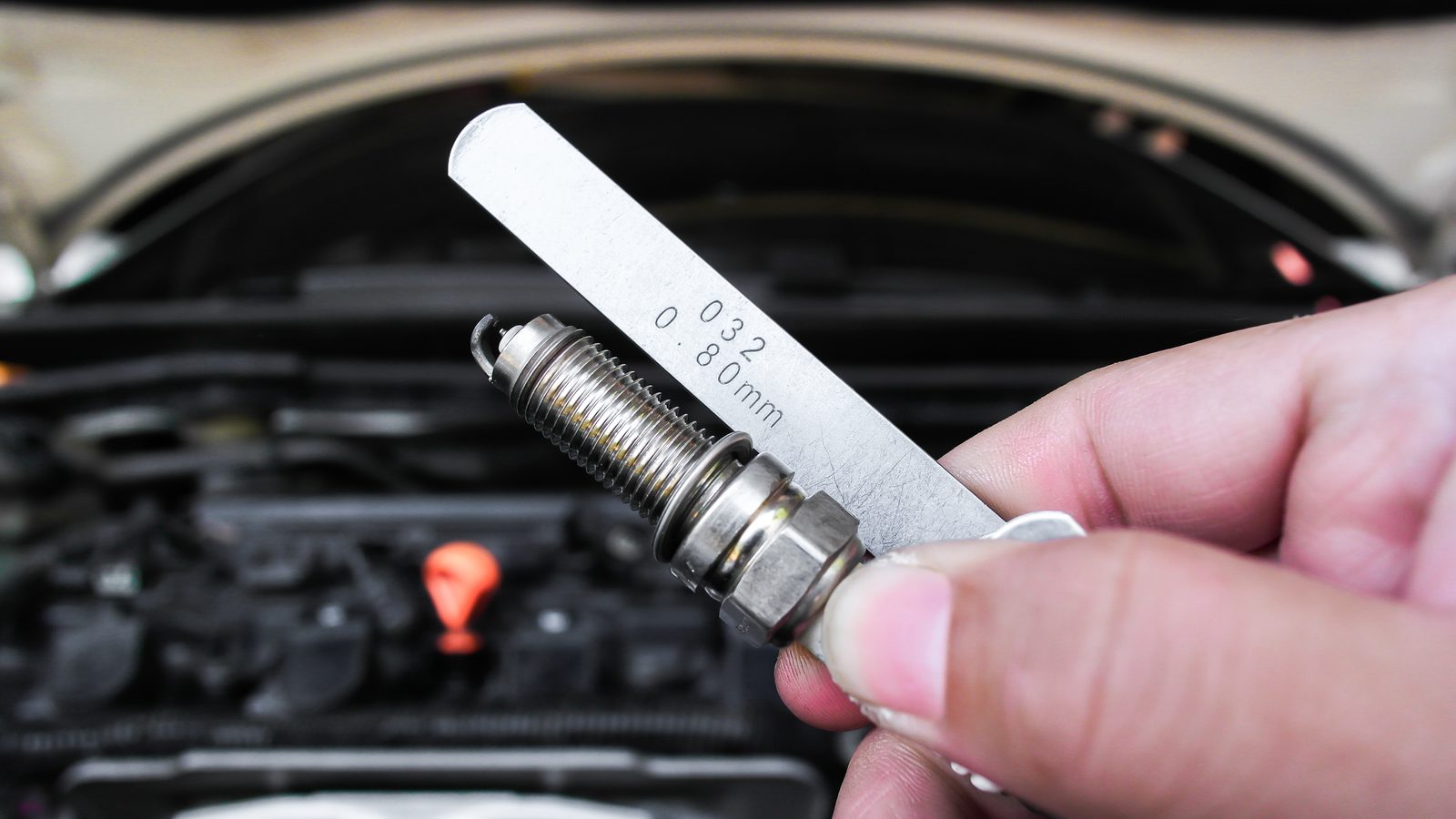
- Unscrew the plug and read the electrode: deposit color, wear, gap. The gap figure comes from your model’s service manual and nowhere else.
- Push the plug back into the cap, then press its metal body firmly against bare engine metal so it is grounded.
- Keep the plug well away from the open plug hole, which vents fuel vapor, then kick it over or hit the starter.
- Watch the arc: it should snap blue and steady. Yellow, hesitant or absent means you work back up the circuit.
- If there is nothing, check the kill switch, the stand switch and the ground straps before reaching for a multimeter to test the stator against factory figures.
What imitates an ignition fault
Most of the failed CDIs I see turn into a parts order were never CDIs. A fouled or tired plug produces the same symptoms as a dying coil for a fraction of the price. Start there, every time.
Fueling comes next. A rich carburetor setting drowns the plug and kills the spark before it can do anything; lean, and it breaks up near the top of the rev range. Either way you blame the electrics for nothing. On models with a battery, a dying battery can drag the ignition circuit down too, depending on how the model is wired: the engine turns over slowly and the spark follows.
Last suspect: heat. A cooling system that has stopped doing its job bakes the electronics, and a box that only cuts out when hot looks exactly like a failing sensor. Check coolant level and circulation before you condemn the black box.
The expensive mistakes
Swapping parts at random, in ascending price order, is the most common method and the most ruinous. Work an ignition in order: plug, cap and lead, connectors and grounds, then the costly components.
Second mistake: cranking the engine with the plug cap hanging in open air. The high voltage looks for a path, fails to find one, and discharges back into the coil or the box. You can kill a healthy part in three seconds.
Third mistake: ignoring the harness. A wire pinched under a radiator mount or a terminal furred with green corrosion causes dropouts that nothing reveals by eye. And if doubt remains, multimeter readings only mean something next to the resistance figures printed in your bike’s service manual.
FAQ
It started yesterday and won’t start today — where do I begin?
The plug, always. Pull it, read it, test for spark against ground. If the arc snaps, move to fuel and compression. If there is nothing, work back through the circuit: kill switch, stand switch, terminals. An overnight failure usually comes from a connection rather than a component.
Does the ignition system need regular servicing?
Only the plug gets checked and replaced on a schedule, the one printed in your manual. Stator and CDI are not serviceable items: they work or they die. What does deserve attention is the connectors and ground points, which mud and pressure washing slowly attack.
How do I tell a bad stator from a bad CDI?
The stator can be measured with a multimeter, winding resistance and output while cranking, compared against your model’s manual figures. A CDI cannot really be bench tested; you eliminate it by substituting a box known to be good. With neither reference figures nor a spare box, a shop will settle it faster than you will.
From here, move on to 2-stroke versus 4-stroke engines or browse every guide in the mechanics section.
Editorial content. PiloteMX offers no on-site service, no parts or gear sales, no quotes and no bike repairs. Working on a bike and riding it carry risk: what you do with this guide is your own responsibility.