Post-Ride Checklist: What to Do Within the Hour
Contents
Within the hour after a ride, three moves prevent most of the avoidable damage: a rinse before the mud dries hard, a visual check of the chain and the impact points, and putting tire pressure back to normal if you dropped it for the terrain. Everything else keeps until the next day, as long as those three are done.
What degrades while you load the van
A bike coming off a track is changing state. The mud stuck to it is still soft; once it dries it turns into an abrasive crust that traps water against seals and pivots. The chain has already lost a good share of its lube — water and sand strip it fast. And the impact points from that session are never easier to spot than right now, before dirt hardens over them.
That is why the post-ride routine carries as much weight as scheduled servicing. What you do tonight decides what you find next time. A bike handled after every session turns the pre-ride checklist into a few minutes of confirmation. A neglected one turns it into a scrubbing job.
Most riders know this and still get it wrong, for one plain reason: they’re wiped out. You get home, unload, close the garage. The steps below take about fifteen minutes, which is exactly the point — they have to survive that moment.
The order to work in
- Unload the bike and get it on a stand, engine off, before mud starts baking onto the hot parts.
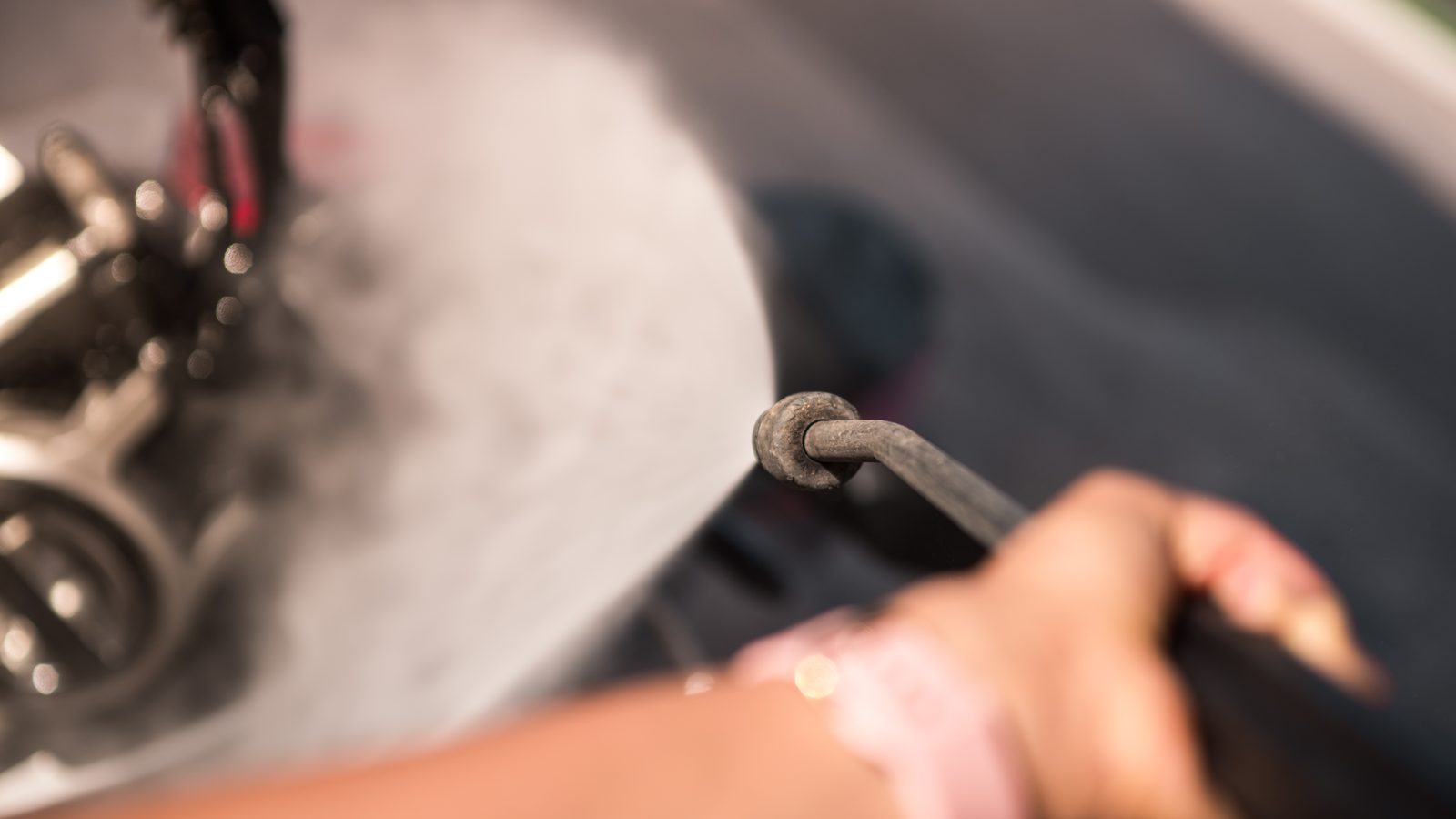
- Rinse top to bottom with a gentle stream. Let the water float the dirt off instead of blasting it away — it costs a few extra minutes and keeps sand from being driven behind seals.
- Work the spots that hide dirt: the radiator fins, the chain run, the underside of the rear fender, behind the number plates.
- Chase the water out of anything that holds it — plug area, connectors, chain. A rag and a bit of airflow is enough.
- Get down on one knee and go around the bike. Roll the wheel and watch the chain link by link, check the chain slider, the levers, the footpegs, the fork tubes.
- If you lowered tire pressure for sand or mud, bring it back to a normal figure before the bike gets put away.
- Write down anything that felt off during the session while you still remember it. Three scribbled words beat a vague memory next weekend.
The rinse comes first, and the full version lives in the guide on washing a dirt bike. The goal here isn’t a clean bike. It’s a bike that doesn’t dry with its crust on.
What genuinely belongs to tomorrow
Some checks are simply better cold. Reading the oil on a hot engine misleads you: the level sits high, you think you’re fine, and you head out short. Same story with coolant, which only reads true once the engine has fully cooled — and whose cap never gets opened hot.
| Job | When | Why then |
|---|---|---|
| Rinse | Within the hour | Wet mud hoses off; dry mud grinds |
| Visual check, chain and impacts | Within the hour | Everything is still visible and the ride is fresh |
| Tire pressure | Within the hour | Low pressure left standing marks the sidewalls |
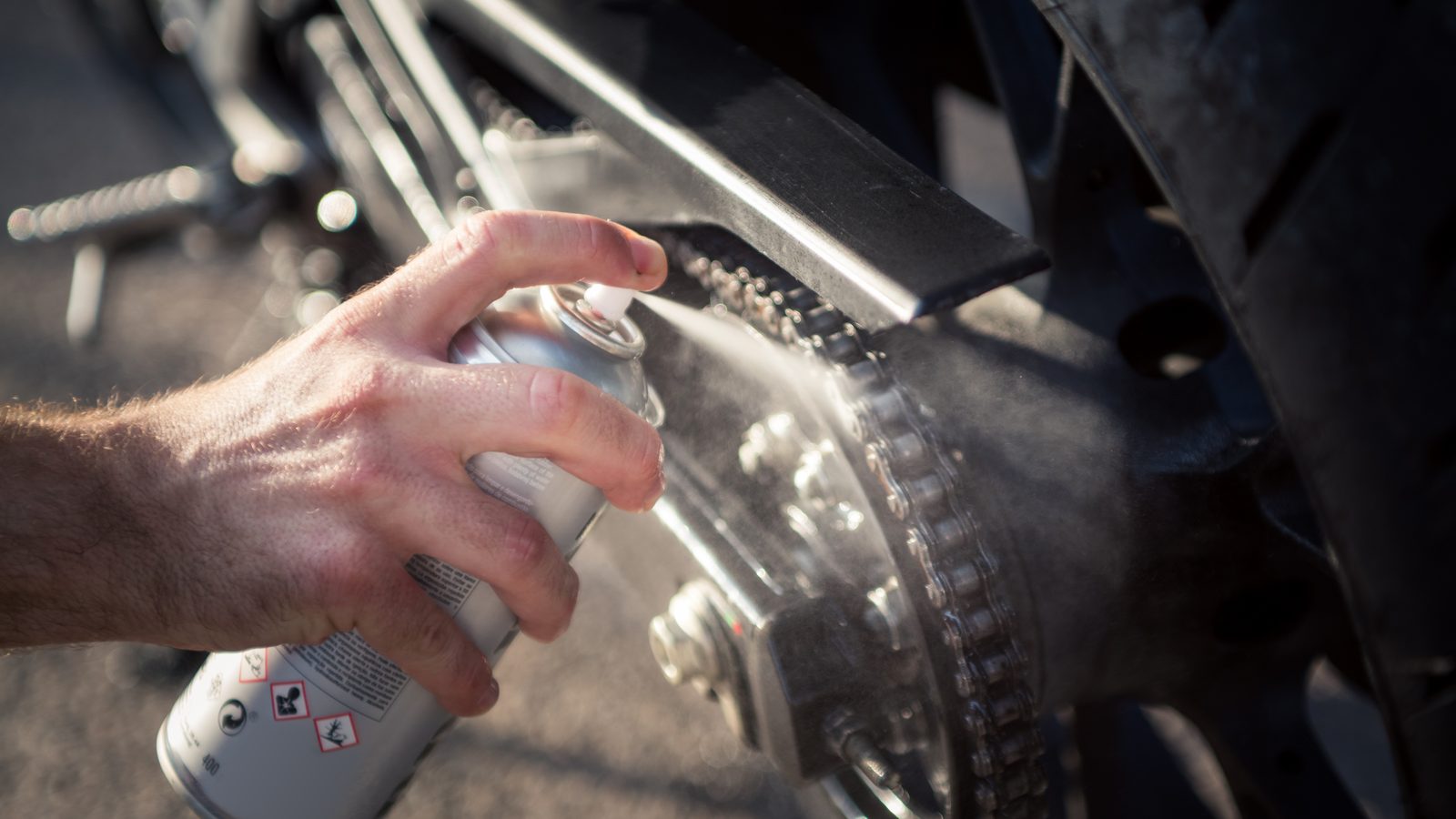
| Chain lube | Next day | The chain has to be dry for lube to stay put |
| Oil and coolant levels | Next day, cold | Hot readings lie, and hot caps are dangerous |
| Suspension inspection | Next day | Oil traces only show on clean, dry tubes |
One exception. If something felt wrong out there — a fork bottoming, a brake going soft, a noise from the transmission — don’t file it under tomorrow. Look before the bike goes away.
Adjust the routine to the ride you just had
Deep mud
Add a look at the air filter the same day, especially if the engine went flat late in the session. A loaded filter chokes the intake, and mud drying inside the airbox becomes dust the next time out.
After a crash
Go around the usual impact points: levers, bars, footpegs, handguards, plastics, brake pedal. A slightly bent lever is easier to feel than to see. And if the hit landed on the steering, the forks or the frame, stop there and have a shop look at it — that isn’t a check to rush on a stand in the driveway.
Heavy heat
If the temperature climbed more than usual, let the engine come all the way down, then check the coolant level and the radiator itself: flattened fins, airflow blocked by packed dirt.
The habits that wear a bike out between rides
Putting the bike away filthy and wet is the most common one, and over a season it costs real money. Two minutes with a hose beats a perfect wash postponed for ten days.
Stacking rides without touching anything comes next. Mud hardens, the chain runs bare, chain tension drifts with nobody watching, and the drivetrain wears at a rate you’d never accept if you saw it happening.
Then there’s skipping the visual check because “it felt fine.” A chewed chain slider, a stiff link, a pad down to its backing — none of that announces itself through the bars. It shows up when you look. With brakes, the gap between “it stopped the bike” and “there’s material left” is exactly what an inspection is for.
FAQ
Do I really have to wash the bike the same evening?
Rinse it, yes, while the mud is still soft. The full wash with degreaser and brushes can wait until the next day without hurting anything. What matters is that dirt doesn’t dry into a crust on the radiator, the chain run and under the fenders, because that’s where it turns abrasive and holds moisture against the parts.
Should I lube the chain right after rinsing?
Better to wait until it’s dry. Lube laid onto a wet chain doesn’t grip and seals water in against the O-rings. If you can’t come back tomorrow, dry the chain with a rag and some airflow, roll the wheel through a full turn, then lube it. Otherwise let it dry overnight and treat it in the morning.
Is a pressure washer safe on a dirt bike?
Not up close on bearings, seals, the chain or the brakes. A garden hose or a low-pressure setting held back from the bike does the job without forcing water past the protection. Use the pressure on plastics and frame rails if you like, then switch to a rag and a soft brush for everything that spins or slides.
What if there’s genuinely no time for any of this?
Rinse the wet mud off and get the pressure back to normal. Those two take a handful of minutes and cover most of the damage that happens between rides. Then note anything odd you noticed and deal with the chain, the levels and the suspension before your next session.
Find the rest of the maintenance guides on the dirt bike maintenance page.
Editorial content. PiloteMX offers no on-site service, no parts or gear sales, no quotes and no bike repairs. Working on a bike and riding it carry risk: what you do with this guide is your own responsibility.